
Written by Ana Rosales

Structural shop drawings play a critical role in turning design visions into physical structures. They serve as detailed guides for fabricators and contractors, ensuring that every component aligns with the original design intent while meeting construction standards.
What Are Structural Shop Drawings and Why Are They Important?
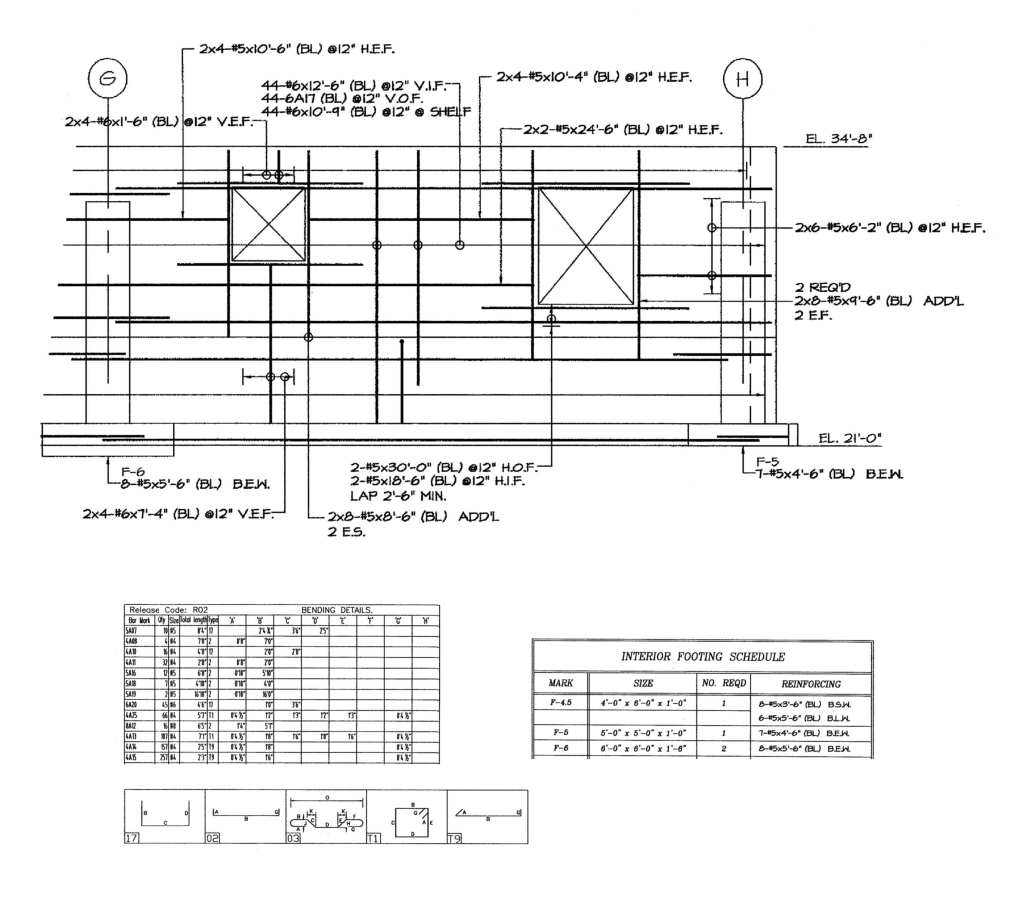
Shop drawings are precise, detailed representations of structural components, focusing on how elements like beams, columns, and connections will be fabricated and assembled. Unlike design drawings, which offer broad guidelines, shop drawings dive into exact dimensions, materials, and methods required for execution. Because of this, structural shop drawings are the backbone of successful construction projects. Here’s why they matter:
- Accuracy and Clarity: Shop drawings eliminate ambiguity by providing exact details about dimensions, materials, and assembly methods. This minimizes costly errors, rework, and delays during construction.
- Compliance with Standards: They ensure that fabricated components adhere to strict design codes and project specifications, meeting safety and performance benchmarks.
- Coordination Between Teams: Shop drawings act as a communication tool, bridging the gap between engineers, fabricators, and contractors. By providing a common reference, they reduce misalignment and improve project efficiency.
- Optimization of Resources: Well-drafted shop drawings help identify the most efficient use of materials and labor, ultimately reducing waste and project costs.

Key Components of Structural Shop Drawings
A comprehensive set of shop drawings includes several critical elements, each designed to ensure a seamless transition from design to reality:
- Dimensional Details: Exact measurements for each structural element, ensuring that all components fit perfectly within the overall design.
- Material Specifications: Clearly defines the materials required for each element, considering factors like durability, load-bearing capacity, and environmental conditions.
- Connection Details: Illustrates how structural components are joined, emphasizing stability, safety, and ease of assembly.
- Load Path Considerations: Ensures that loads, such as weight and forces, are properly distributed through the structure to the foundation, maintaining overall balance and integrity.
- Assembly Instructions: Detailed step-by-step guidance for fabricators and contractors to streamline the manufacturing and installation process.

Challenges in Developing Shop Drawings
Developing accurate and detailed shop drawings involves overcoming several challenges, each of which requires careful planning and expertise:
- Complexity of Designs: Modern architectural designs often push the boundaries of creativity, resulting in highly intricate structures. Translating these visions into precise shop drawings requires not only advanced software but also a deep understanding of engineering principles to address potential issues before construction begins.
- Time Constraints: Construction projects often operate under tight deadlines. The need to produce accurate shop drawings quickly can create significant pressure on engineering teams. Balancing speed with quality demands a well-coordinated workflow and access to efficient drafting tools.
- Coordination with Stakeholders: Shop drawings are subject to review and approval by multiple parties, including architects, contractors, and project managers. Miscommunication or delays in feedback can disrupt timelines. Ensuring seamless coordination and clear communication among stakeholders is crucial for maintaining project momentum.

The Role of Engineers in Shop Drawing Development
Structural engineers play an important role in ensuring that shop drawings meet safety, design, and compliance standards. Their responsibilities extend beyond drafting to include:
- Thorough Analysis: Engineers review architectural and structural plans to identify potential conflicts or design discrepancies before they escalate into issues on-site. This foresight ensures that all elements align seamlessly.
- Optimization for Fabrication: By considering factors like material availability and manufacturing capabilities, engineers design shop drawings that simplify fabrication and reduce costs without compromising quality.
- Application of Advanced Tools: Leveraging modern tools such as 3D modeling software, engineers create highly detailed and accurate representations of components, offering stakeholders a clear visualization of the finished product.
- Collaboration Across Teams: Engineers work closely with architects, contractors, and fabricators to incorporate feedback, ensuring that the drawings meet all functional and aesthetic requirements.

At DOP Engineering, we bring expertise and precision to every project. Our team is skilled in developing detailed, code-compliant structural shop drawings that bridge the gap between design and construction. Whether it’s crafting accurate steel connections, optimizing reinforcement layouts for concrete, or addressing complex architectural designs, we prioritize collaboration and innovation.
To conclude, it is important to mention that we ensure that our shop drawings are actionable, efficient, and reliable. From concept to reality, DOP Engineering is committed to turning visions into structurally sound and cost-effective solutions that meet your project’s unique needs.
