Written by Ana Rosales

Steel connections are crucial for the stability, strength, and safety of steel structures. This blog discusses various techniques used, best practices to ensure safety and efficiency, and specific examples of primary member steel connections, including beam-to-column, beam-to-beam, beam-to-concrete, and column-to-concrete connections.
Types of Steel Connections
Steel connections come in different types, depending on structural needs and design considerations. Here’s a brief overview of the most common methods:
Bolted Connections
Bolted connections use high-strength bolts to join steel members. The bolts can be pre-tensioned or snug-tightened depending on the load and structural requirements. Pre-tensioning provides a specific clamping force, ensuring stability, while snug-tightening is suitable for lighter loads. Bolted connections are common in beam-to-beam and beam-to-column joints, offering flexibility and ease of installation. Proper torque and regular inspections are essential to maintain the integrity of these connections.

Welded Connections
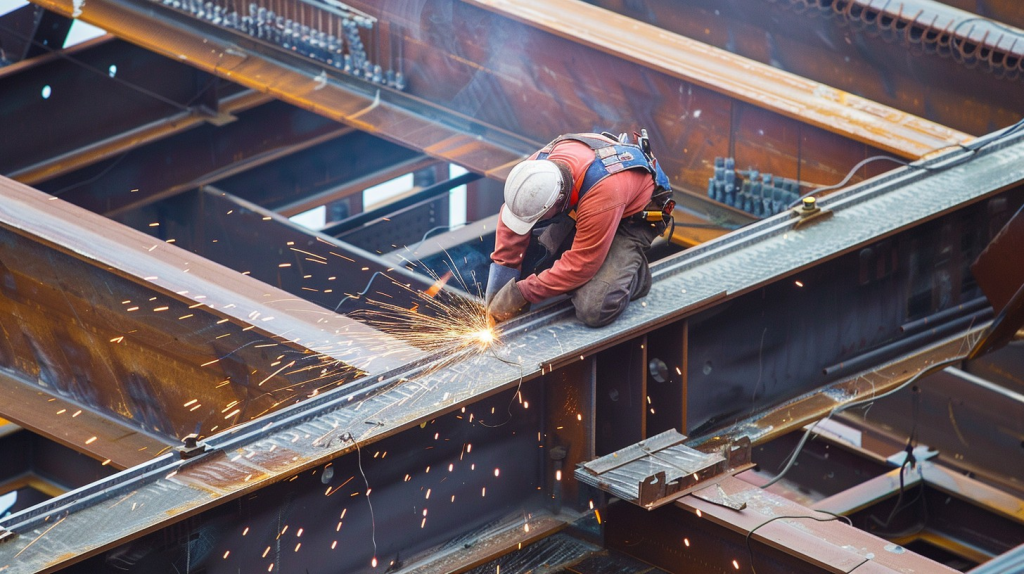
Welded connections use heat to fuse steel members, creating a continuous and strong joint. This method is often used in high-stress areas where bolted connections might not provide enough strength. Welded connections are common in beam-to-beam and beam-to-column applications, as well as in fabrication processes like trusses and steel frames. The type of welding technique used—such as arc welding, MIG, or TIG—depends on the project requirements.

Pinned Connections
Pinned connections use mechanical pins or hinges to join steel members, allowing some movement while providing stability. You can find them in trusses and bridge structures, where controlling rotation or flexibility is necessary to handle varying loads, wind, or temperature changes. The primary advantage of pinned connections is their adaptability, enabling a structure to flex without compromising overall integrity. Proper alignment, high-quality pins, and regular inspection are key to ensuring these connections stay safe and reliable.

Best Practices
Design and Analysis
Design connections while considering load requirements, building codes, and environmental factors. Structural analysis software can aid in achieving precise designs.

Quality Materials and Components
High-quality steel, bolts, and welding materials are critical for durable connections. Use materials that meet industry standards.

Accurate Fabrication and Installation
Proper fabrication and installation are key to connection strength. Misalignments or faulty welding can undermine stability.

Regular Inspection and Maintenance
Regular inspections help detect early signs of wear, corrosion, or fatigue. Addressing issues promptly ensures connection safety over time.
Examples
Beam-to-Column Connections
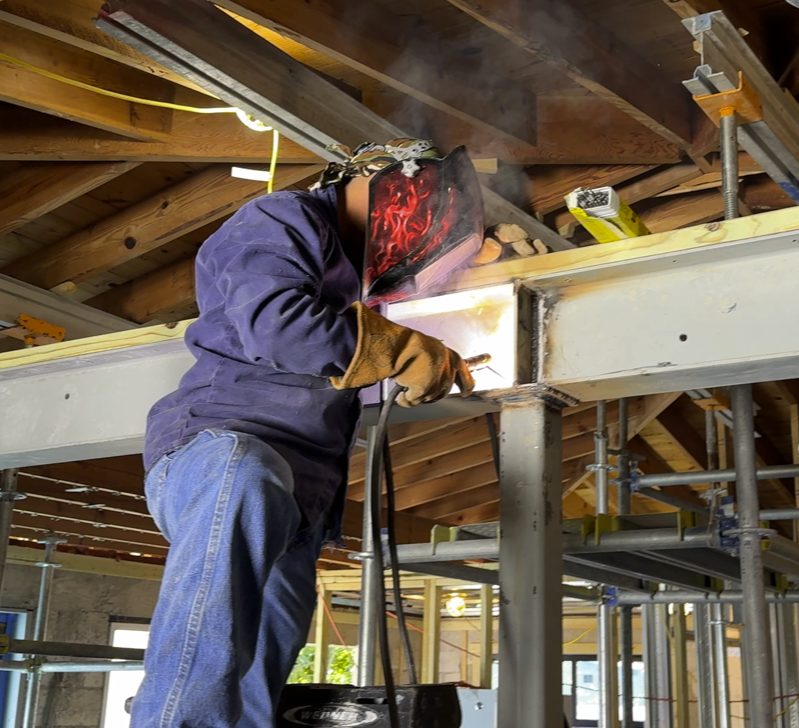
Beam-to-column connections are crucial in building frameworks, as they transfer loads from horizontal beams to vertical columns. They can be bolted or welded, depending on the structural requirements and design preferences. Bolted connections offer flexibility and are often easier to install, while welded connections provide a strong, seamless joint. The choice between these methods depends on factors like load capacity, installation convenience, and project specifications.

Beam-to-Beam Connections
Beam-to-beam connections are used to join beams, creating continuous spans that support roof structures, floor systems, or other elements of a building. These connections can be made through bolting or welding, depending on the structural requirements and design preferences. The choice between bolting and welding depends on factors like load capacity, installation process, and long-term maintenance considerations.

Beam-to-Concrete Connections
To connect steel beams to concrete elements, you typically use special anchors or embedded plates. This approach creates a secure connection between dissimilar materials and is common in composite construction, where steel and concrete combine for enhanced strength and versatility. We need to pay close attention to the design and installation of these connections to ensure they handle significant loads and resist shear and other stresses. The choice of anchor types and embedded plates depends on the specific application, load requirements, and environmental conditions.

Column-to-Concrete Connections
Column-to-concrete connections are designed to join steel columns to concrete foundations or footings. These connections typically involve base plates and anchor bolts to create a stable transition from steel to concrete. Base plates help distribute the load evenly across the concrete surface, while anchor bolts provide a secure hold. The design and installation of these connections are critical to the stability of the entire structure. Factors like load capacity, seismic considerations, and environmental conditions influence the choice of base plate size, anchor bolt type, and reinforcement needs. Proper installation and regular inspection ensure that these connections remain secure and effective over time.

Steel connections are a critical part of structural design, ensuring the integrity and safety of steel structures. By employing the right techniques, following best practices, and understanding different types of connections, you can achieve strong, reliable structures.
At DOP Engineering, we strive for excellence in all aspects of structural design and construction. Our team pays close attention to details to ensure they meet the highest standards for safety, durability, and performance. We focus on innovative solutions and precise execution to deliver top-quality results. With DOP Engineering, you can build with confidence, knowing that we prioritize your needs and satisfaction.