Written by Ana Rosales
When people think about reinforcement, they often picture adding more steel or concrete to make a structure “stronger.” But reinforcement is not about overbuilding, it’s about using engineering judgment to place the right materials, in the right way, at the right time. At DOP Engineering, we call this smart reinforcement.
Why Smart Reinforcement Matters
Reinforcement serves a clear purpose: to help a structure resist loads, stresses, and environmental conditions over time. Without proper reinforcement, buildings and infrastructure can experience cracking, deflection, or even failure. Smart reinforcement ensures that:
- Strength is added only where it’s needed.
- Costs are controlled by avoiding unnecessary material use.
- Long-term durability is improved by resisting corrosion, fatigue, or environmental damage.

When Your Project Needs Reinforcement
Not every element requires reinforcement, but certain situations make it essential:
- High Load Areas: Columns, beams, and slabs carrying heavy live or dead loads.
- Environmental Exposure: Coastal projects need reinforcement against saltwater corrosion.
- Seismic or Wind Zones: Extra reinforcement improves resilience during extreme events.
- Open Floor Plans or Cantilevers: Designs with fewer supports rely on reinforcement for stability.
- Repairs and Retrofits: Strengthening aging structures often involves adding reinforcement to extend their life.

Choosing the Right Reinforcement
Reinforcement isn’t one-size-fits-all. The choice depends on how the structure will be used, the environment it faces, and the performance goals. Some of the most common approaches include:
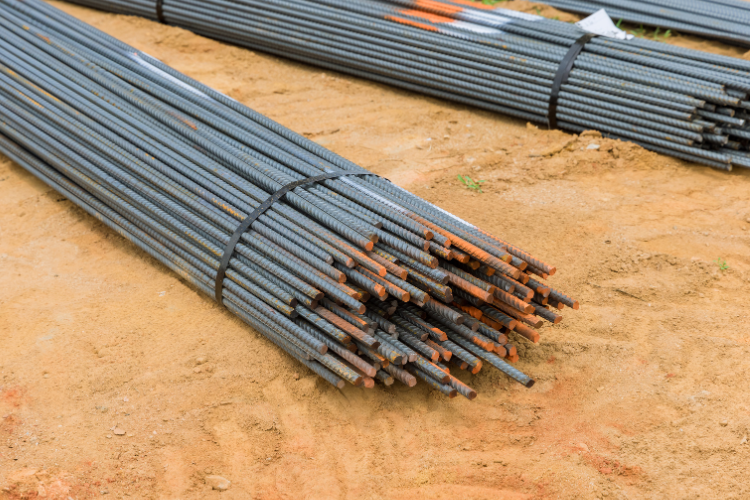
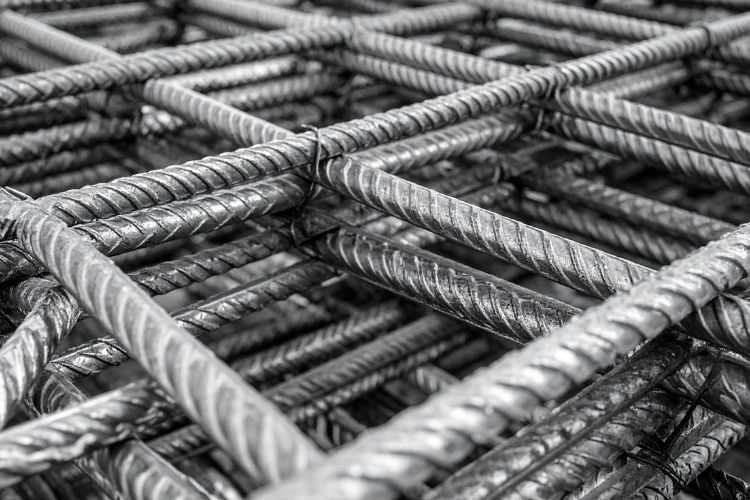
Steel Reinforcement (Rebar and Mesh)
- The backbone of most reinforced concrete systems.
- Excellent in tension, complementing concrete’s compressive strength.
- Comes in different grades, sizes, and coatings (epoxy-coated or galvanized) to resist corrosion.
- In coastal or humid regions, special attention must be given to cover thickness and concrete mix to protect against rust.
FRP (Fiber-Reinforced Polymer)
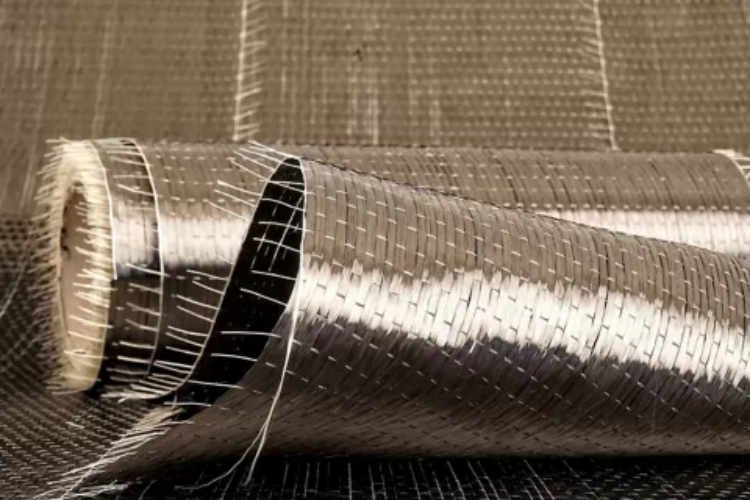
- Made from glass, carbon, or aramid fibers in a polymer matrix.
- Lightweight yet very strong, with a high resistance to corrosion.
- Commonly used in retrofits or areas where durability is critical, such as bridges or marine structures.
- Downsides: higher upfront cost and lower ductility compared to steel, which can affect performance in seismic zones.
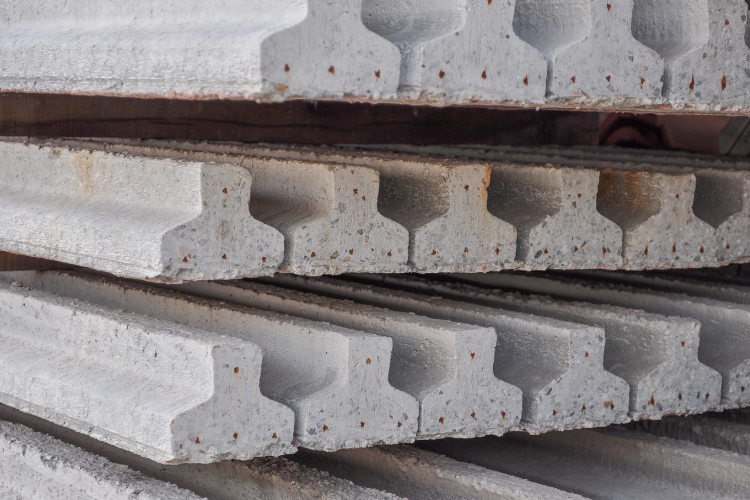
Prestressed and Post-Tensioned Concrete
- Uses tensioned steel tendons or cables to put concrete into compression, reducing cracks and deflection.
- Ideal for long spans (parking garages, bridges, high-rise floors) where traditional reinforced concrete would be too heavy or inefficient.
- Prestressing can be applied before casting (pre-tensioning) or after concrete sets (post-tensioning).
- Requires specialized design and construction but provides high efficiency and durability.
Supplementary Systems
- Composite Reinforcement: Hybrid systems combining steel with FRP or other materials to balance cost and performance.
- External Reinforcement: Steel plates, FRP wraps, or bonded tendons added to existing structures for strengthening and retrofits.
- High-Performance Materials: Advanced concretes (high-strength or fiber-reinforced mixes) used with reinforcement to further extend service life.

Smart reinforcement means not just choosing a material but also designing the right placement, spacing, and protection so that the reinforcement actually performs its role throughout the structure’s life.
The Role of Engineering Judgment
Codes and standards provide minimum requirements, but they don’t cover every scenario. That’s where engineering judgment comes in. A skilled engineer evaluates factors like load combinations, environmental exposure, construction tolerances, and long-term durability before deciding how and where reinforcement is needed.
For example, two projects may both meet code, but the details will differ: a parking garage exposed to saltwater spray may require stainless or epoxy-coated steel, while an interior office building may not. Similarly, choosing between conventional rebar and post-tensioned concrete often depends on how much future flexibility the owner wants in modifying spaces.
Engineering judgment bridges the gap between “what is allowed” and “what is best,” ensuring reinforcement not only meets code but also serves the project’s long-term goals.

Key Takeaways on Smart Reinforcement
- Smart reinforcement focuses strength where it’s needed most.
- It defends against heavy loads, harsh conditions, and extreme events.
- Material selection, steel, FRP, or prestressed concrete, depends on project demands.
- Engineering judgment makes reinforcement effective and cost-efficient.
Smart reinforcement isn’t about building heavier, it’s about building with precision. When applied wisely, it delivers stronger, longer-lasting, and more resilient structures. At DOP Engineering, we bring the expertise to balance safety, durability, and efficiency, so every project is reinforced with purpose and built to perform for decades.