Written by Ana Rosales
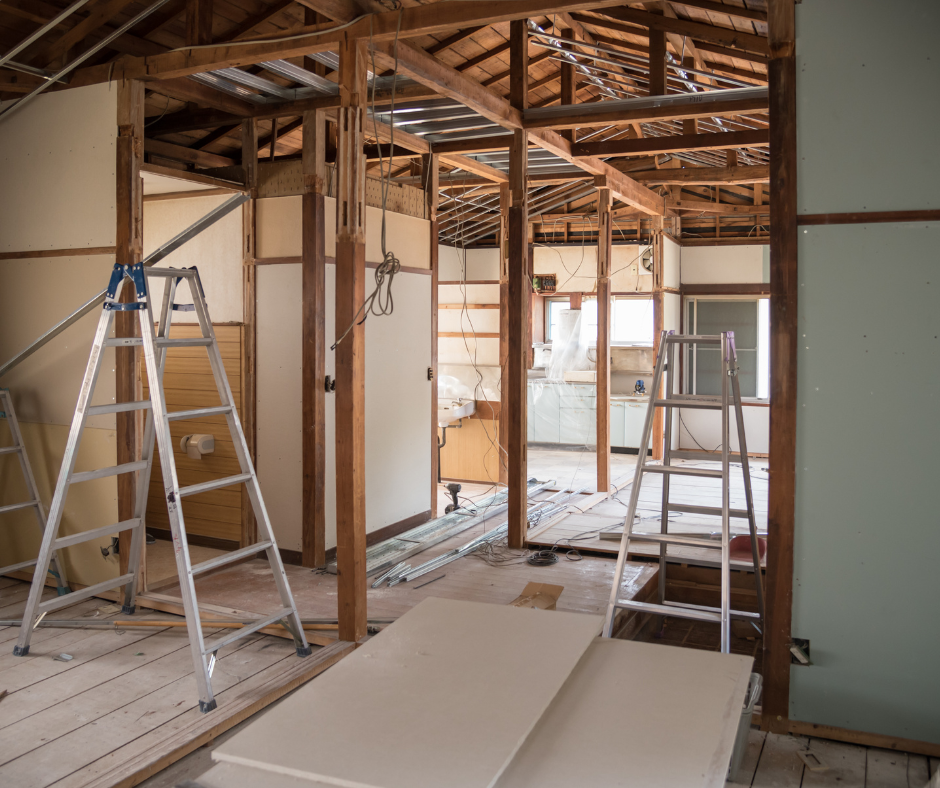
Not every building starts out equipped to handle the demands of modern codes or extreme weather events. In places like Florida, where environmental loads and regulatory standards are especially strict, retrofitting older buildings has become more than just an option; it’s often a necessity. At DOP Engineering, we’ve seen firsthand how well-executed retrofit strategies can turn outdated structures into safe, code-compliant, and highly functional spaces.
Why Retrofitting Older Buildings Matters
Older buildings often carry charm and character, but that doesn’t always translate to structural safety. Many were built under outdated codes, using materials or construction methods that no longer meet modern standards. In these cases, retrofitting bridges the gap between the original design intent and current demands, without requiring a full rebuild. It’s a targeted, cost-effective approach to strengthening the structure, extending its life, and preparing it for new uses or extreme conditions.
From a structural engineering standpoint, the biggest risks in older buildings include:
- Undersized structural elements
- Inadequate load paths
- Poor lateral resistance to wind or seismic forces
- Foundation settlement or insufficient capacity
- Deteriorated or incompatible materials
If left unaddressed, these issues can lead to code violations, insurance complications, or, in the worst cases, structural failures.
Retrofitting Techniques That Make a Difference
At DOP Engineering, we approach retrofits with a combination of field assessment, structural analysis, and practical solutions. Below are some of the most effective retrofit strategies we implement:
Reinforcement of Structural Elements
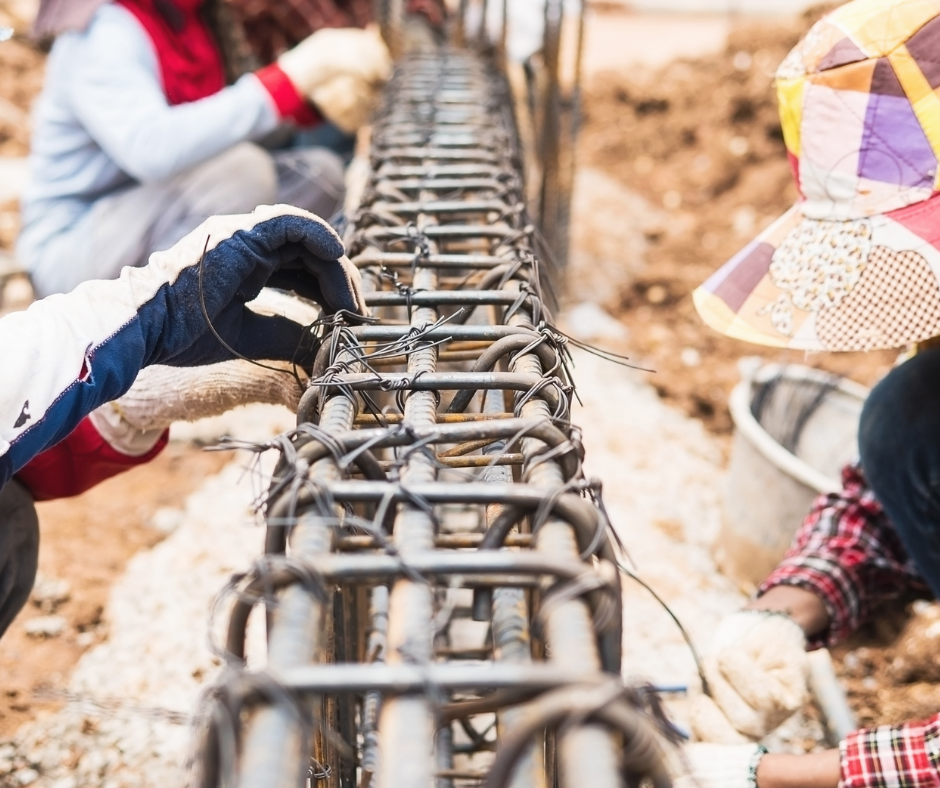
Beams, columns, and slabs are often strengthened using steel plates, jackets, or fiber-reinforced polymer (FRP) wraps. This method increases their capacity without needing full replacement. For example, a concrete beam with minor cracking might be reinforced with an externally bonded steel plate to restore and exceed its original performance.
Load Path Correction
In older buildings, especially those that have undergone partial modifications, we often find interrupted load paths, where structural forces are not properly transferred to the foundation. To fix this, we add or adjust framing elements, ensuring gravity and lateral loads are fully supported from roof to soil.

Foundation Upgrades
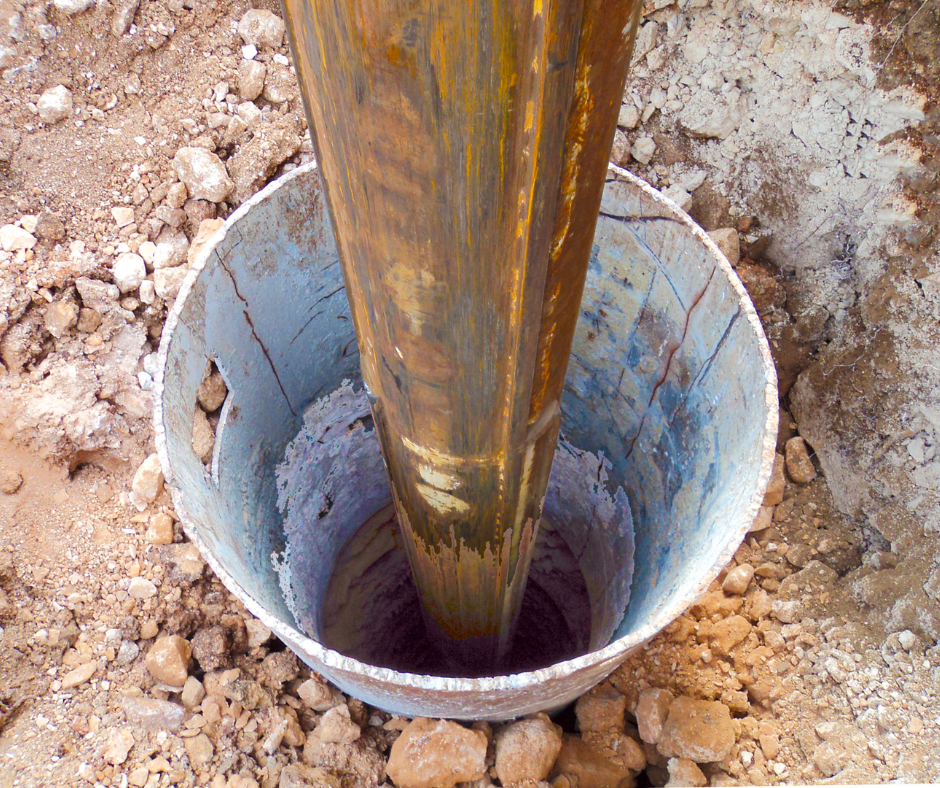
Foundations built decades ago may not support today’s code-mandated loads or soil movement. In response, we use underpinning systems or helical piles to increase bearing capacity, minimize settlement, and support new loads from added stories or heavier equipment.
Material Replacements & Compatibility
Material degradation is common in humid environments. We frequently replace corroded rebar, spalled concrete, or aging wood elements. To ensure durability, we choose materials that match or improve on the original, and that are compatible with what remains.
Code Compliance and Safety Enhancements
Florida’s updated building codes include strict wind, flood, and impact resistance requirements. Retrofitting may involve strengthening roof-to-wall connections, or installing breakaway walls in flood-prone areas. Often, these upgrades are mandatory for continued occupancy or resale.
Common Retrofitting Scenarios in Our Practice
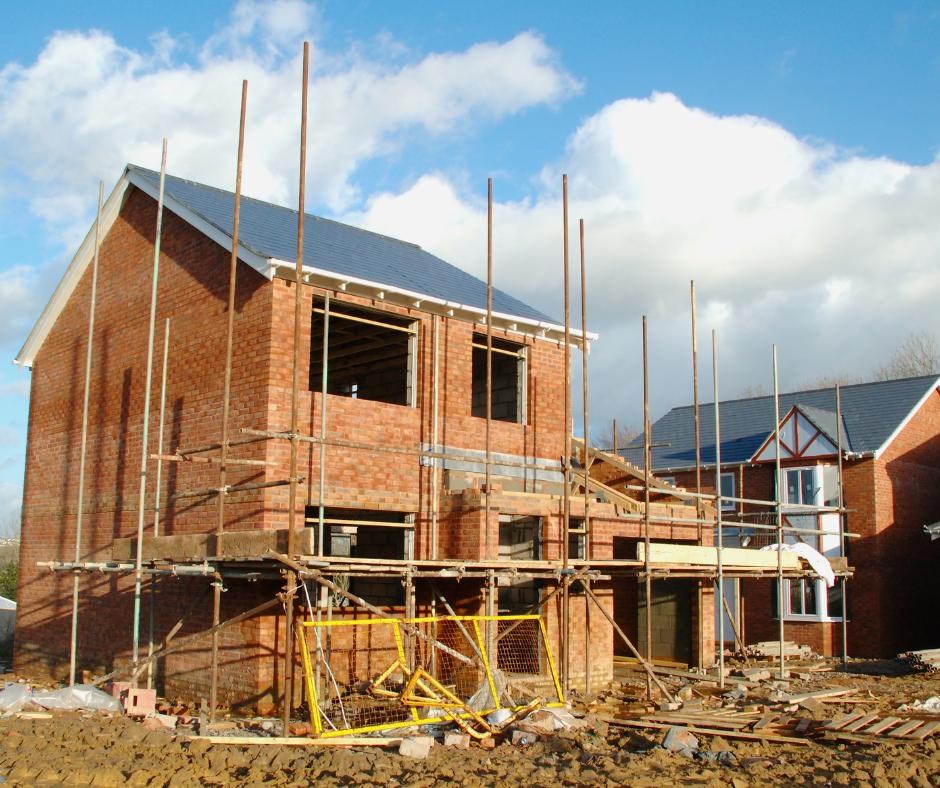
We’ve supported clients across Florida on a wide range of retrofit projects, from residential homes in coastal zones to mid-rise commercial buildings undergoing occupancy changes. One common case involves single-family homes built before the Florida Building Code’s wind provisions were enforced. These homes often need roof-to-wall anchors, enhanced window protection, and reinforcement of gable ends to meet modern wind load demands.
Another typical scenario is older multifamily buildings with concrete balconies or staircases showing signs of distress. In these cases, we conduct structural assessments, design repairs or replacements, and provide on-site support to ensure safe execution.

Our Approach at DOP Engineering
Every retrofitting older buildings project begins with an in-depth structural evaluation. Our team reviews existing drawings (when available), conducts field inspections, and performs load analysis to understand the structure’s true condition. After gathering this information, we propose retrofit options that address the specific deficiencies, while being mindful of cost, construction time, and ongoing use of the building.
Because no two retrofit projects are alike, we treat each one with the attention it deserves, balancing technical accuracy with practical solutions that work in the field. Whether it’s reinforcing a stair beam, installing helical piles, or designing new tie-downs for roof assemblies, our goal is the same: to deliver a structure that’s safe, compliant, and ready for the future.
Conclusion
Retrofitting is not just about fixing what’s broken. It’s about adapting older buildings to new expectations, whether that means safety, durability, or regulatory compliance. At DOP Engineering, we believe that aging structures deserve thoughtful upgrades that preserve their value and improve performance for years to come.
If you’re unsure whether your building needs structural upgrades, contact our team to explore the best retrofit strategies tailored to your structure’s condition and future use.