
Written by Ana Rosales

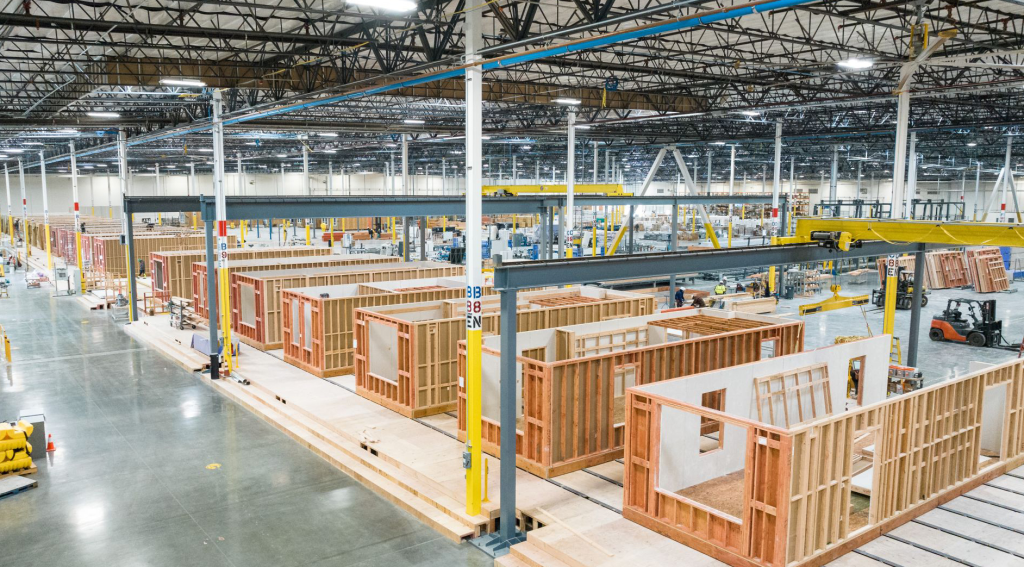
Prefabricated construction transforms the way we approach building projects. By assembling components in a controlled factory environment before transporting them to the construction site, we achieve faster timelines, reduce waste, and enhance overall project efficiency. This blog explores these advantages with a focus on structural engineering.
Faster Construction Timelines
One of the most significant benefits of prefabrication is the reduction in construction time.
Simultaneous Production
While the site preparation is ongoing, it is possible to manufacture prefabricated components simultaneously. This parallel processing cuts down the overall project duration.

Reduced On-Site Labor
Prefabricating major components off-site speeds up the on-site assembly process and requires less labor, allowing for quicker structural completion.
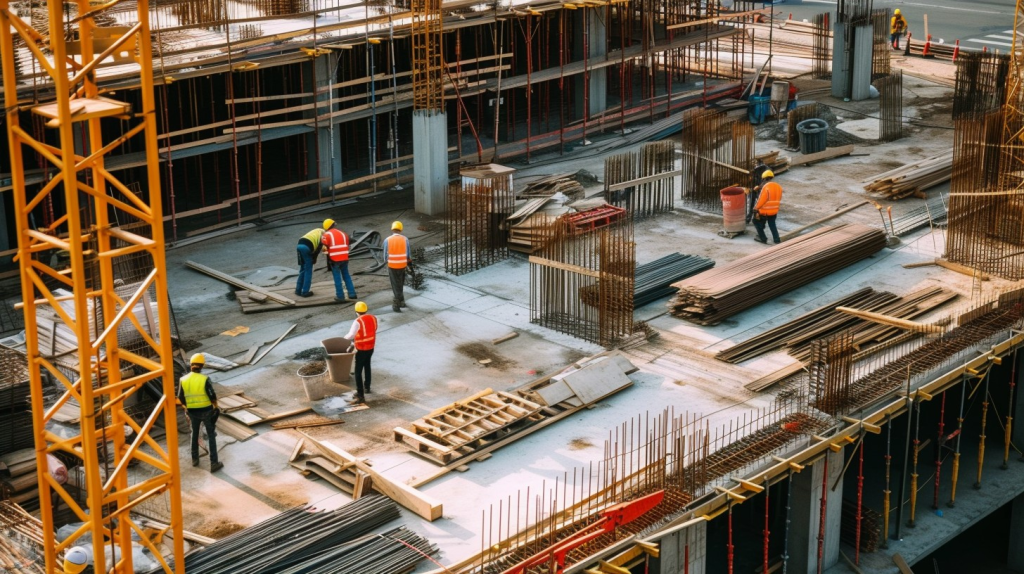
Weather Independence
Factory-based construction avoids weather-related delays, ensuring uninterrupted progress and timely completion.
Reduced Waste
Prefabricated construction is also more sustainable, focusing on minimizing waste through precision manufacturing. Factory settings allow for accurate cuts and measurements of structural components, reducing material waste compared to traditional on-site methods. Structural elements like beams, columns, and slabs are produced efficiently with optimized material usage. Additionally, factories can recycle or reuse excess materials in future projects, further reducing waste.

Improved Project Efficiency
Efficiency is at the core of prefabricated construction, bringing several benefits:
Quality Control
Manufacturing structural components in a factory ensures consistent quality and adherence to strict standards, reducing the risk of defects and structural failures.
Structural Integrity
Designing and testing prefabricated elements to meet structural engineering requirements ensures strength and durability.

Safety
Factory environments are typically safer than construction sites, with fewer hazards and better working conditions for laborers, reducing the risk of accidents involving structural elements.
Flexibility and Customization
Prefabrication allows for customization and flexibility in structural design, enabling unique and innovative solutions tailored to specific project needs.
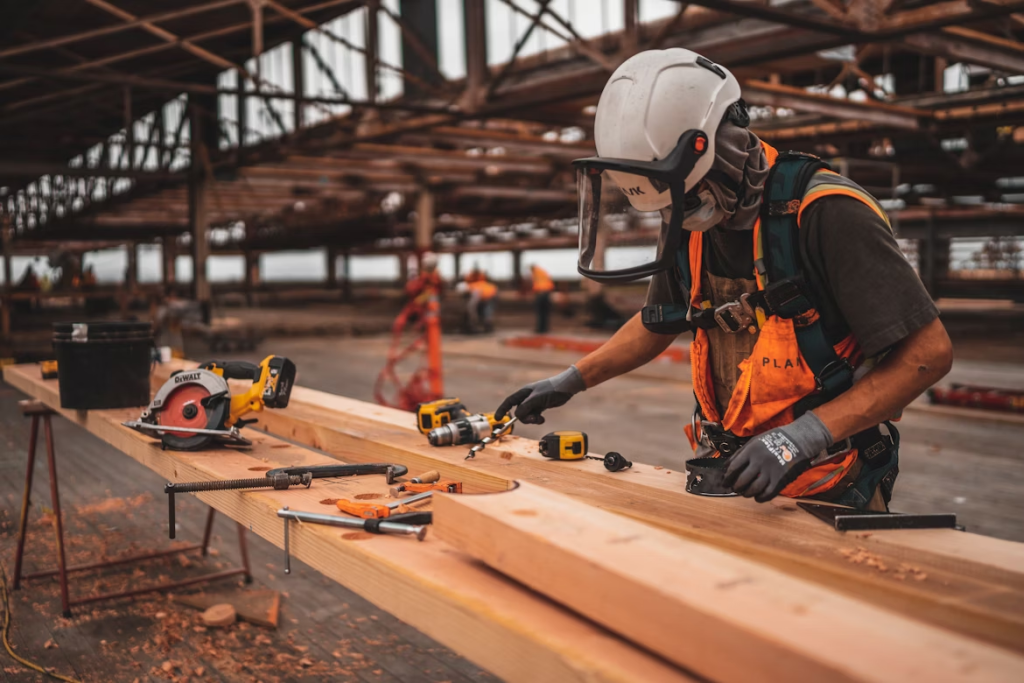
Prefabricated Structural Components
Prefabricated construction involves the off-site manufacturing of various structural components, including:
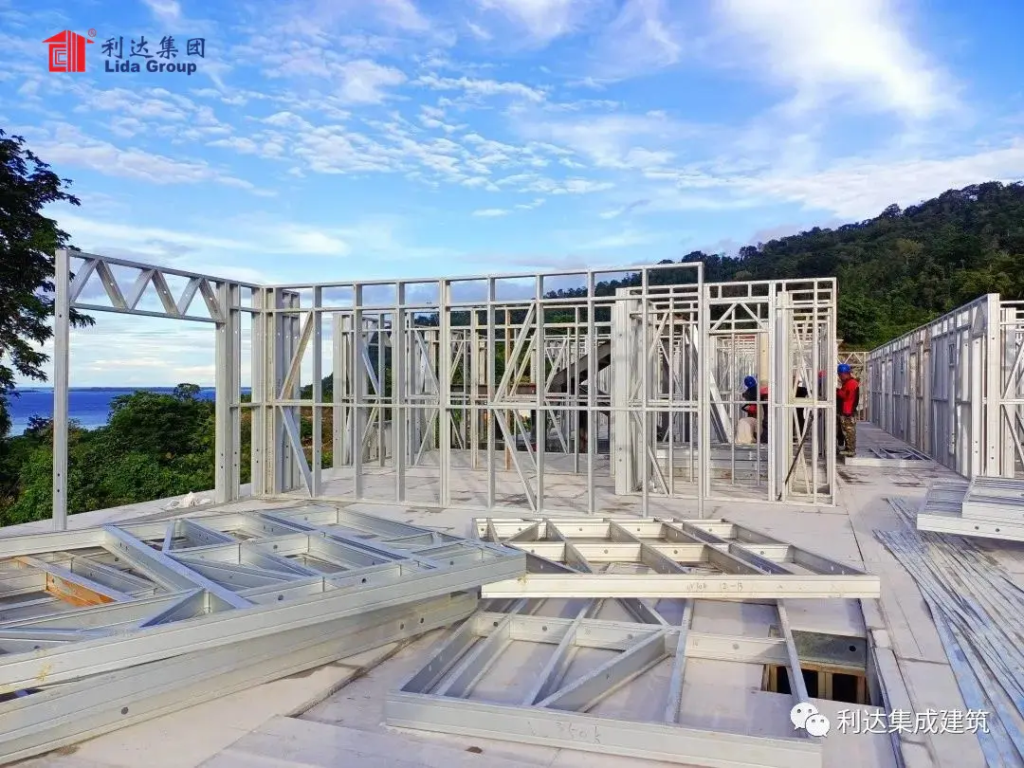
Steel Frames
Prefabricated steel frames provide the core structure of buildings, ensuring strength and stability.
Concrete Panels
Precast concrete panels are used for walls and floors, offering durability and quick assembly on-site.

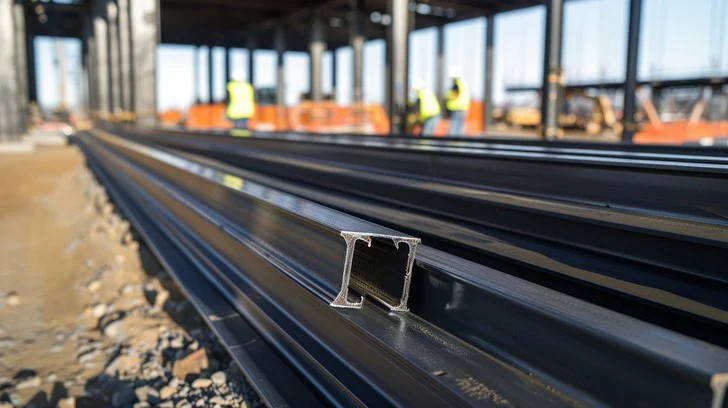
Beams and Columns
Standardized beams and columns are produced with precision, optimizing material usage and ensuring consistent quality.
Modular Units
Manufacturing entire modular units, such as rooms or sections of buildings, off-site allows for streamlined on-site assembly.
Roof Trusses
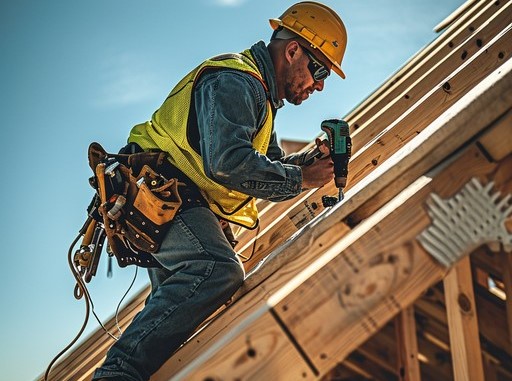
Prefabricated roof trusses allow for quicker and safer roof construction, reducing the time and labor required on-site.
Advanced Structural Analysis and Design in Prefabrication
Structural engineering plays a crucial role in the success of prefabricated construction. Advanced software tools are used to optimize the design of prefabricated elements, ensuring they meet all structural requirements while minimizing material use. Rigorous simulation and testing processes verify that structural components can withstand the loads and stresses they will encounter once assembled.
Engineers develop innovative connection techniques for joining prefabricated elements, ensuring structural continuity and integrity. Prefabricated construction also allows for modular design approaches, enabling buildings to be expanded or modified with minimal disruption, thanks to the uniform structural components.

Prefabricated construction offers numerous advantages that streamline processes and enhance the quality of building projects. For structural engineers, it presents an opportunity to innovate and improve efficiency in their work. Discover how these innovations are reshaping modern building practices with insights from DOP Engineering, leaders in structural engineering excellence.
