Written by Ana Rosales

When a building goes up, it’s meant to last, but how long it truly stands strong depends on more than just materials and workmanship. At DOP Engineering, we know that structural longevity starts in the design phase. Smart decisions about materials, load paths, and future use can extend a structure’s life, reduce maintenance, and protect long-term value.
Why Plan for Longevity?
Structures aren’t designed just for the present; they need to withstand time, weather, wear, and even changes in use. Planning for longevity helps:
- Minimize long-term maintenance costs.
- Reduce the risk of structural failures.
- Adapt to future needs or code changes.
- Protect the owner’s investment.
Skipping this step often results in premature repairs, higher operating costs, or worse, safety issues that put people at risk.

Material Selection Matters
Choosing the right materials is key to durability. Structural engineers don’t just pick materials for strength, they consider:
- Environmental exposure (humidity, salt air).
- Material compatibility to prevent corrosion or degradation.
- Maintenance needs over time.
For example, using untreated steel near coastal areas can lead to early corrosion, even within a few years. This often requires expensive repairs or replacements. In contrast, stainless steel, galvanized reinforcements, or special concrete mixes with corrosion inhibitors help structures resist harsh conditions and extend service life.
Material selection also involves balancing cost with long-term performance, sometimes investing slightly more upfront prevents expensive failures later.
Load Planning Beyond the Basics
It’s easy to design for typical loads, but a structure built for longevity considers much more. Engineers plan for:
- Live loads that may change over time (like new equipment, heavier use, or renovations).
- Environmental loads like wind, seismic activity, or soil movement.
- Future modifications or expansions.
We’ve seen cases where commercial buildings were designed for minimal rooftop loads, only for owners to add heavy HVAC units later. Without reserve load capacity, these additions forced costly retrofits and sometimes risked code violations.
Planning for flexibility in load paths and capacities gives owners options, without needing major structural work later on.
Designing with Flexibility in Mind
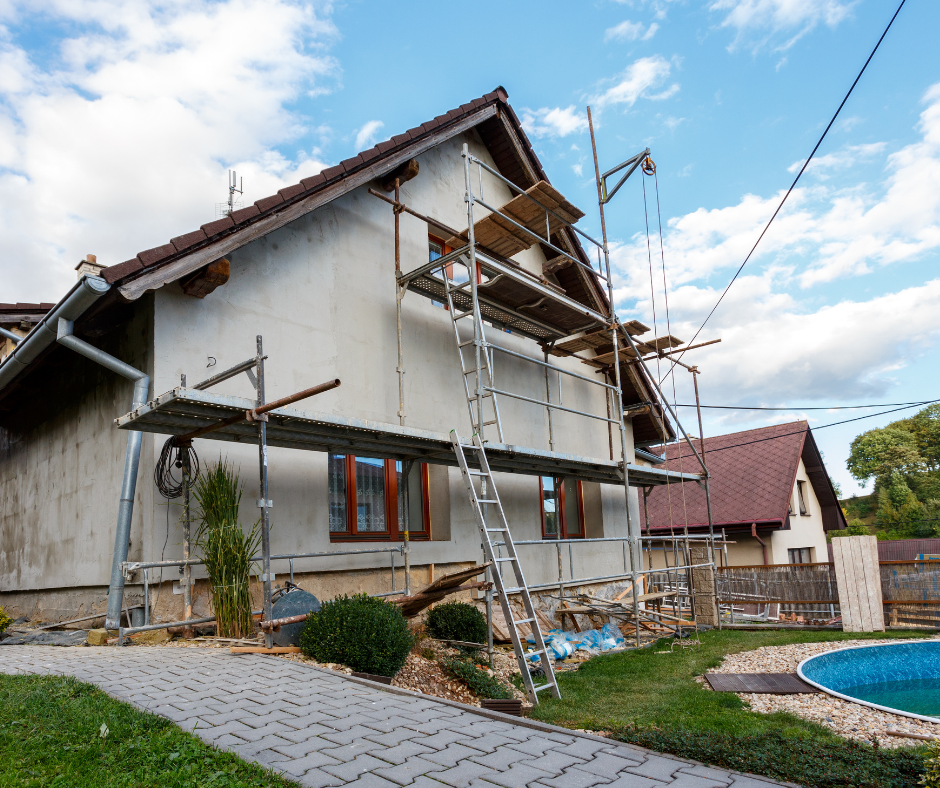
Buildings often outlast their original purpose. Smart structural design allows for adaptation, such as:
- Open floor plans with flexible framing systems.
- Roof or floor systems that can handle future equipment or build-outs.
- Accessible areas for future structural connections or utilities.
This flexibility saves owners from risky field modifications or last-minute reinforcements, which often cost more than thoughtful design would have.
The Role of Inspections and Maintenance
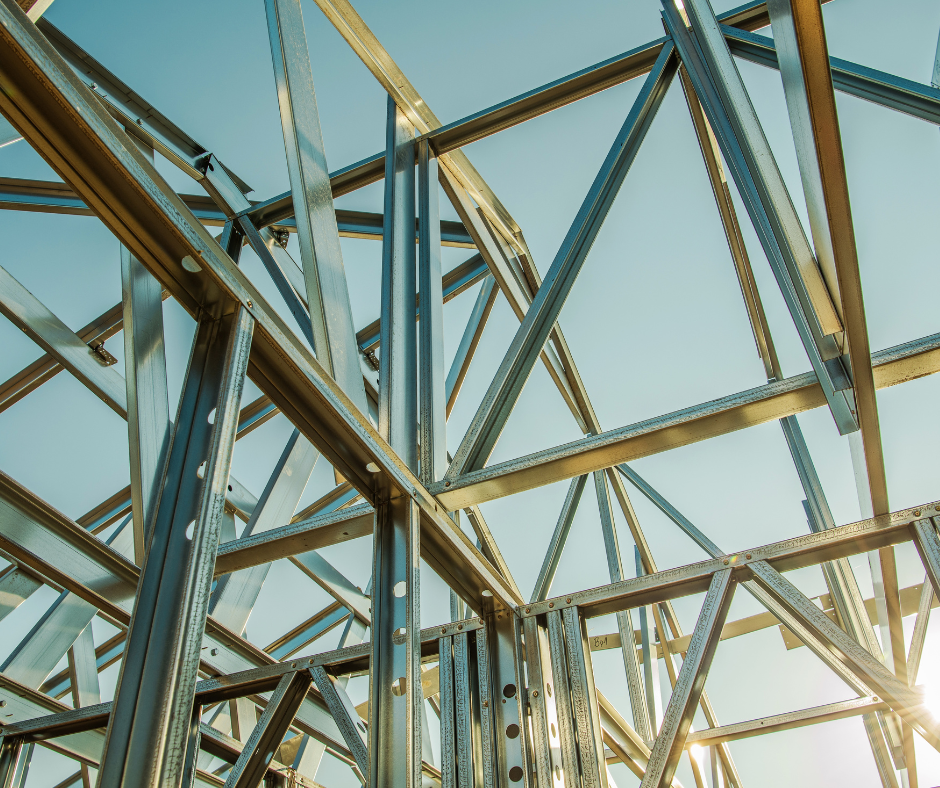
Even the best design can’t guarantee longevity without proper upkeep. Part of planning for a structure’s life includes making inspections and maintenance easier by design:
- Easy access to critical structural elements.
- Durable finishes that resist environmental damage.
- Clear documentation of load paths and connections.
When structures are built with future maintenance in mind, owners can avoid hidden damage and address issues before they become expensive problems.

Key Takeaways for Long-Lasting Structures
- Choose materials suited for your environment and use.
- Design with future loads, use changes, and expansions in mind.
- Make inspections and maintenance easier through thoughtful design.
- Remember, good design now means fewer surprises later.
Designing for longevity isn’t just a good practice, it’s a critical part of responsible engineering. Every decision made during design affects how a structure performs over time, how much it costs to maintain, and how safe it remains for those who use it.

At DOP Engineering, we focus on creating structures that perform not just on day one, but for decades to come. From smart material choices to thoughtful load planning and built-in flexibility, our goal is to help clients protect their investment and avoid future surprises.
Because a well-designed structure isn’t just built to stand, it’s built to last.