
Written by Ana Rosales

At first glance, structural design might seem like a simple step in the building process, draw the plans, get the permit, build. But the reality is different. Poor or rushed structural planning can trigger a series of costly consequences during construction and throughout a building’s life. At DOP Engineering, we’ve seen how thoughtful engineering prevents issues that many don’t realize until it’s too late.
Poor Design Leads to Costly Change Orders
One of the first signs of weak structural design shows up in the field as change orders. When plans lack critical details, or when the design doesn’t reflect actual site conditions, contractors face confusion. This leads to:
- Stop-work situations while waiting for clarifications.
- Material waste due to incorrect installations.
- Extra labor costs to adjust or redo work.
For example, an engineer might overlook beam sizing for a large window opening. Once construction reaches that point, the contractor may discover the installed beam won’t carry the load, forcing a redesign, delays, and extra materials.

Weak Design Compromises Safety
Structural safety doesn’t allow shortcuts. Mistakes in load paths, anchorage, or lateral bracing can compromise a building’s ability to resist wind, seismic forces, or settlement. Even if problems aren’t visible right away, they can surface under stress, like during a hurricane or storm event.
A design that misses critical lateral bracing, for example, may pass unnoticed during construction. But when the first strong wind hits, walls may shift or crack, leading to costly repairs, or worse, a structural failure.
Long-Term Repairs Become Inevitable
Buildings designed with minimal attention to details often face expensive repairs within a few years. These can include:
- Cracking slabs or walls from poor reinforcement design.
- Water infiltration due to improper load paths creating unintended openings.
- Foundation movement when soil capacity or loads weren’t correctly evaluated.
Each repair comes with costs that far exceed what proper design would have cost upfront. Worse, some damage might void warranties or insurance claims if linked back to design flaws.
Code Compliance Isn’t Optional
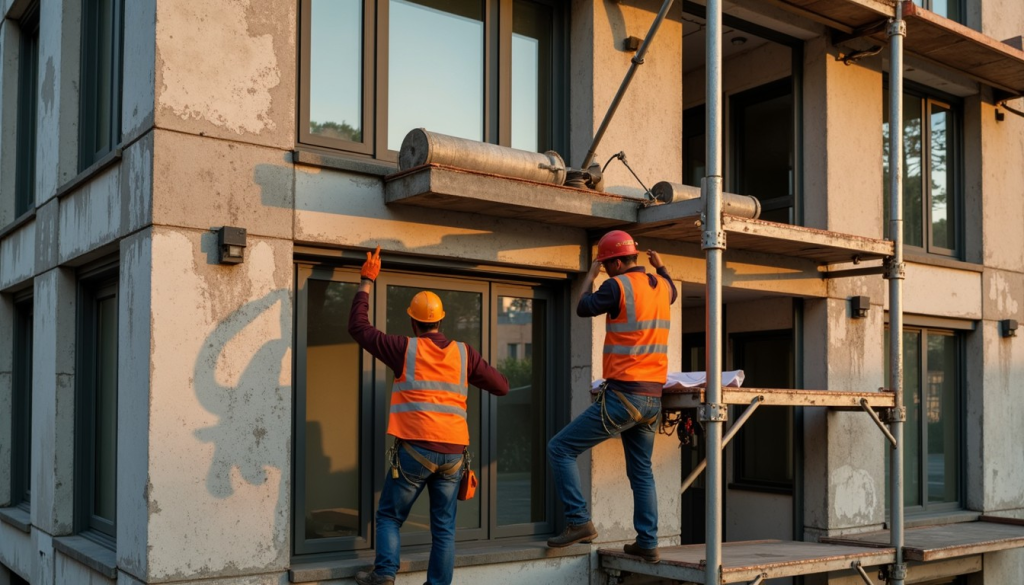
Building codes exist for a reason, to protect occupants and property. Skipping or rushing structural design can leave projects out of compliance, which may result in:
- Failing inspections
- Forced design corrections mid-construction
- Delays in occupancy permits
In Florida, for example, strict wind load requirements mean that even small projects need a professional eye on structural elements. Overlooking code compliance isn’t just a paperwork issue, it can create serious liability risks for owners and contractors alike.

How Good Structural Design Prevents Problems
Solid design practices prevent problems before they start. This includes:
- Clear, buildable drawings that contractors can trust.
- Designs that reflect actual site conditions, not assumptions.
- Coordination with other trades to avoid conflicts in the field.
- Consideration of both short-term and long-term performance.
When structural engineers take the time to model loads, review connections, and check material specs, they protect the project’s budget and safety.
Our Approach at DOP Engineering
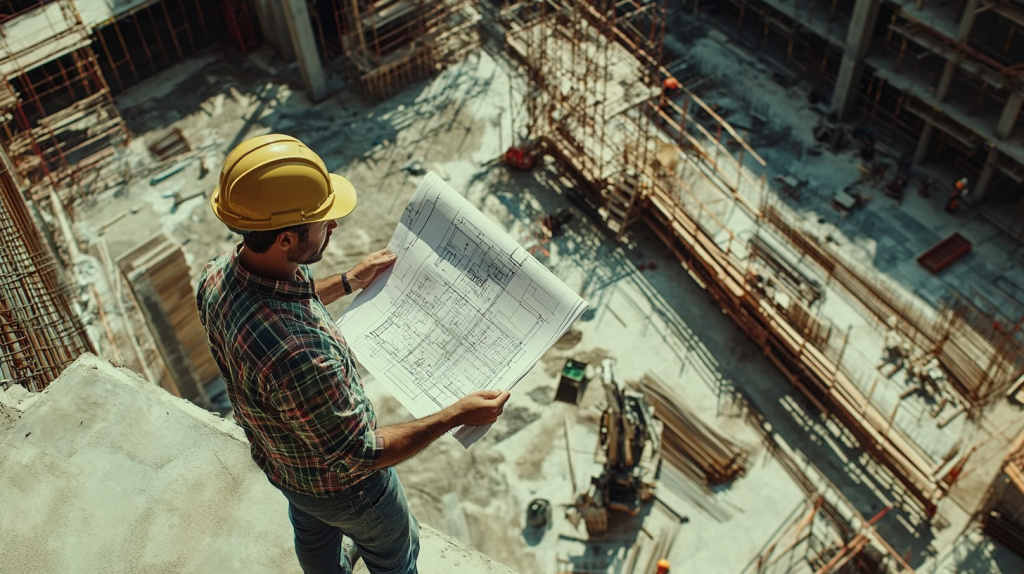
The true cost of structural design isn’t just about professional fees, it’s about how well the design prevents future headaches. Poor planning leads to change orders, safety risks, repair costs, and code violations. These aren’t rare events; they’re common outcomes when design is rushed or undervalued.
Investing in qualified structural engineering from the start protects your budget, your timeline, and the safety of the people using the structure. It also builds confidence among contractors, owners, and project teams, knowing the design will perform as expected.

At DOP Engineering, we believe solid design isn’t an extra, it’s an essential. Whether you’re building new, renovating, or reinforcing existing structures, careful engineering helps avoid the hidden costs that could surface months or years later.
A well-planned project starts with a well-designed structure. Make sure you’re building on the right foundation, both in drawings and in practice.
