Written by Ana Rosales
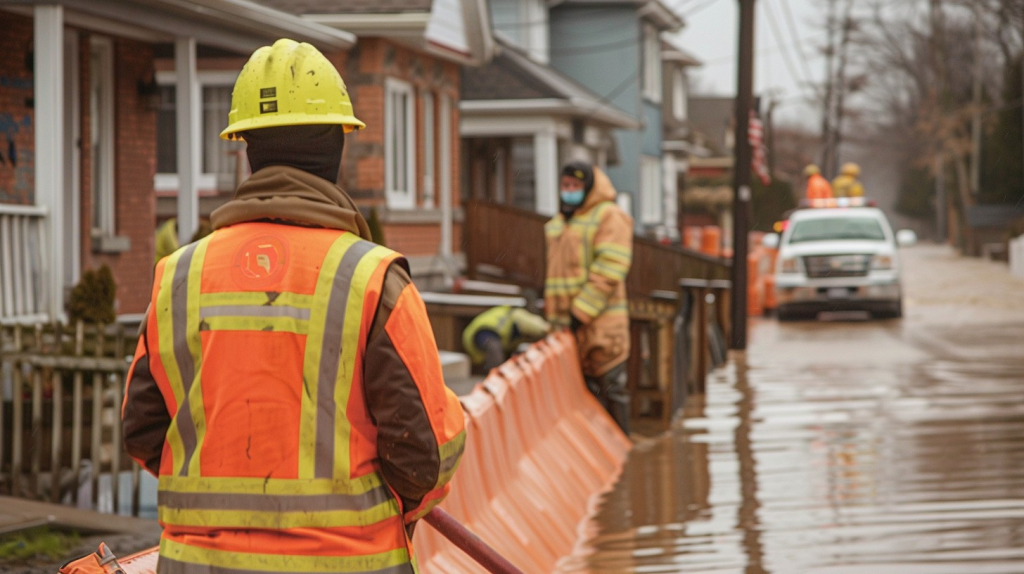
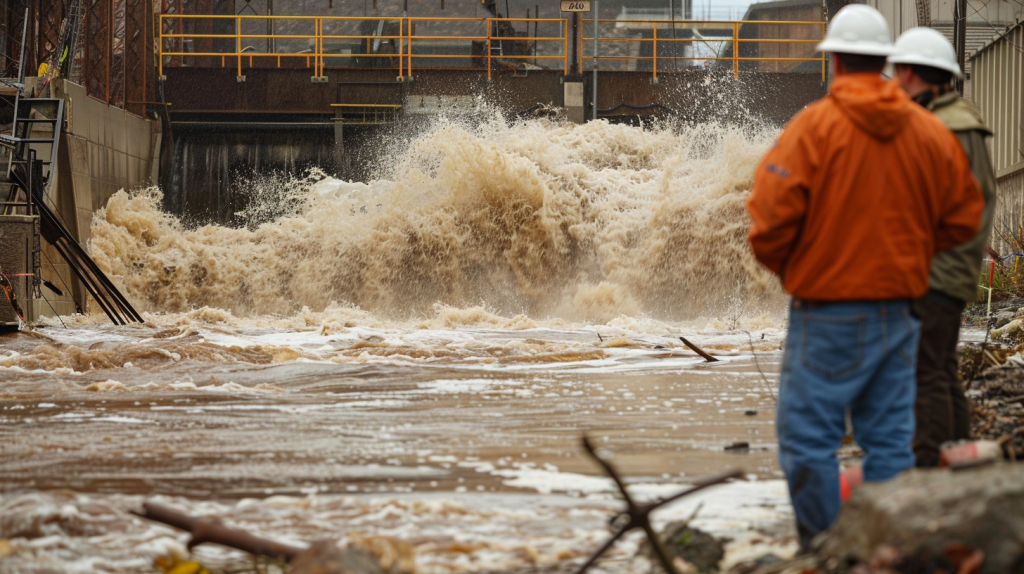
Floods are among the most frequent and destructive natural disasters, causing severe damage to property and infrastructure. Structural engineering plays a critical role in flood mitigation by designing resilient buildings and infrastructure that can withstand water damage and protect occupants during such events. In this blog, we’ll discuss the risks posed by floods and explore the engineering strategies used to mitigate their impact, featuring a real-world example from a project on Siesta Key.
Understanding Flood Risks
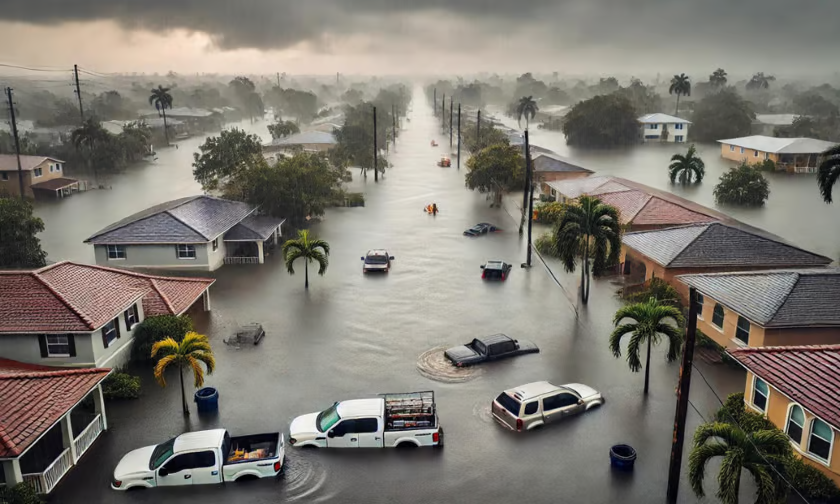
Floods can arise from heavy rainfall, storm surges, or river overflow, and their effects can be devastating, particularly in areas without sufficient flood protection measures. The threat to infrastructure includes erosion, foundational damage, and even collapse in extreme cases. Effective flood control requires understanding the unique risks of each location and tailoring engineering solutions accordingly.
Key Flood Mitigation Strategies
Elevated Foundations
In the first place, in flood-prone regions, elevating a structure’s foundation above the base flood level is one of the most effective protective measures. Raised buildings, supported by stilts or piers, minimize water contact during flooding and prevent damage to lower floors.

Floodwalls and Levees
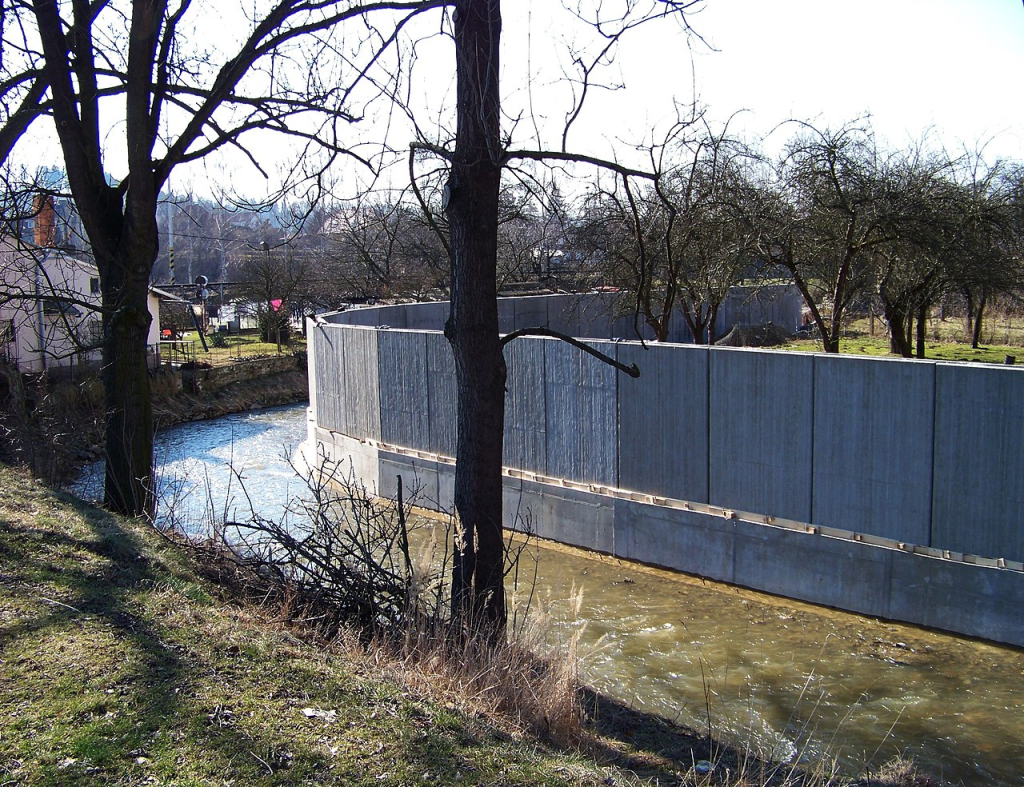
On the other hand, floodwalls and levees provide a physical barrier against rising water. Structural engineers design them to handle high-pressure water flows, ensuring the walls or levees can withstand prolonged exposure during flood events. In urban areas, seawalls are common for coastal protection.
Stormwater Drainage Systems
In the same way, properly designed drainage systems can drastically reduce the risk of flooding by efficiently channeling excess water away from structures. Features like culverts, retention ponds, and stormwater sewers are integral to directing water flow and preventing it from accumulating in dangerous amounts.

Resilient Building Materials
Additionally, water-resistant materials like concrete and steel are often used in flood zone constructions. These materials minimize the risk of structural failure during floods, as they resist rot, corrosion, and weakening caused by prolonged water exposure.
Wet and Dry Floodproofing
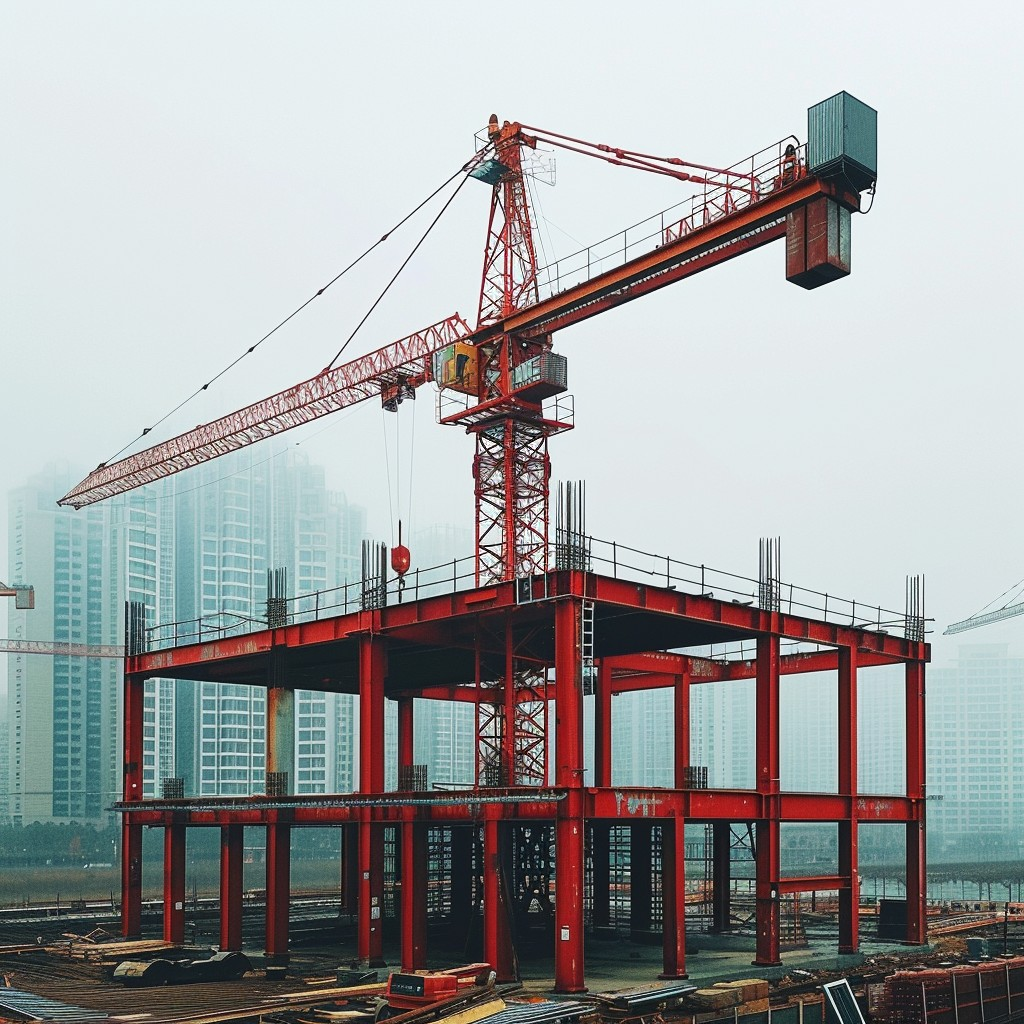
Dry Floodproofing: Engineers design structures to be impermeable to water by sealing walls, using waterproof membranes, and installing barriers that prevent water infiltration.

Wet Floodproofing: In contrast, wet floodproofing involves designing certain non-living areas to allow floodwaters to flow in and out without causing damage. This method ensures that pressure is equalized, reducing the risk of collapse or structural stress.

Retention and Detention Basins
These basins are designed to capture stormwater runoff, preventing it from overwhelming drainage systems. Detention basins temporarily store water, allowing it to slowly release, while retention basins permanently store water, reducing flooding risks during heavy rains.

Reinforced Structural Systems
Engineers often reinforce buildings with stronger materials or additional supports to counteract flood pressures. For example, pilings or deep foundations can anchor a building securely in areas prone to soil erosion from water flow.

Project Spotlight
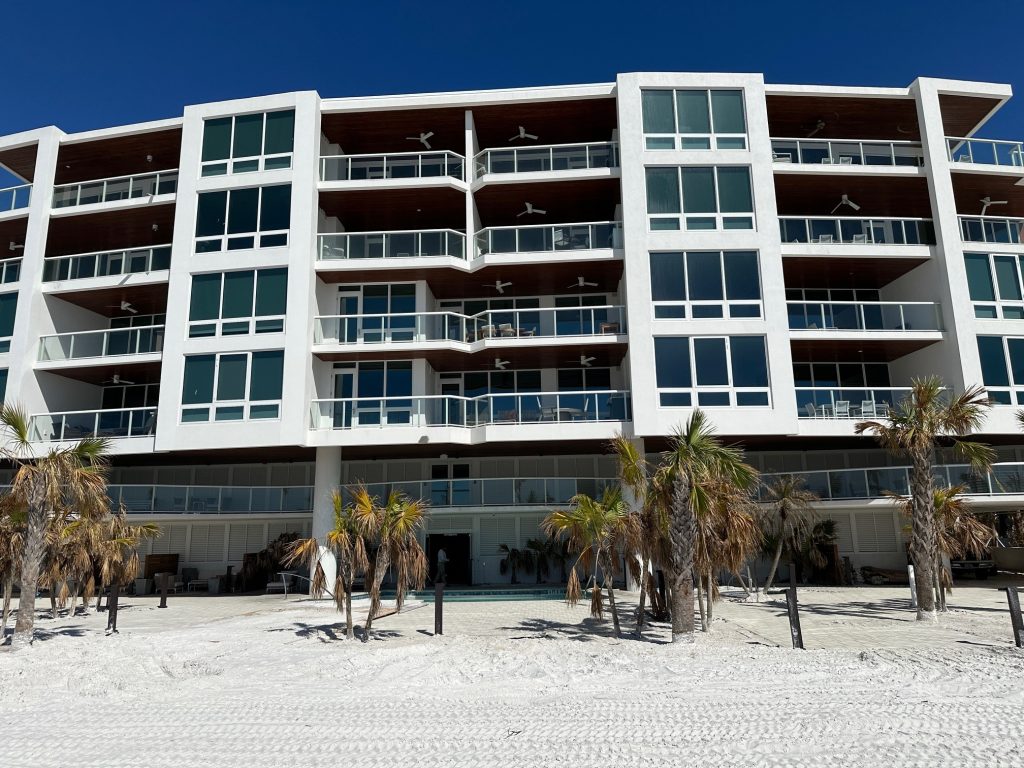
At this condos project on Siesta Key, our engineering team faced a tough challenge: designing flood-resistant structures for a coastal property highly exposed to hurricanes and storms. With this in mind, this led to the development of custom CPVC structural louvers and breakaway walls crafted to withstand heavy wind and water impact.
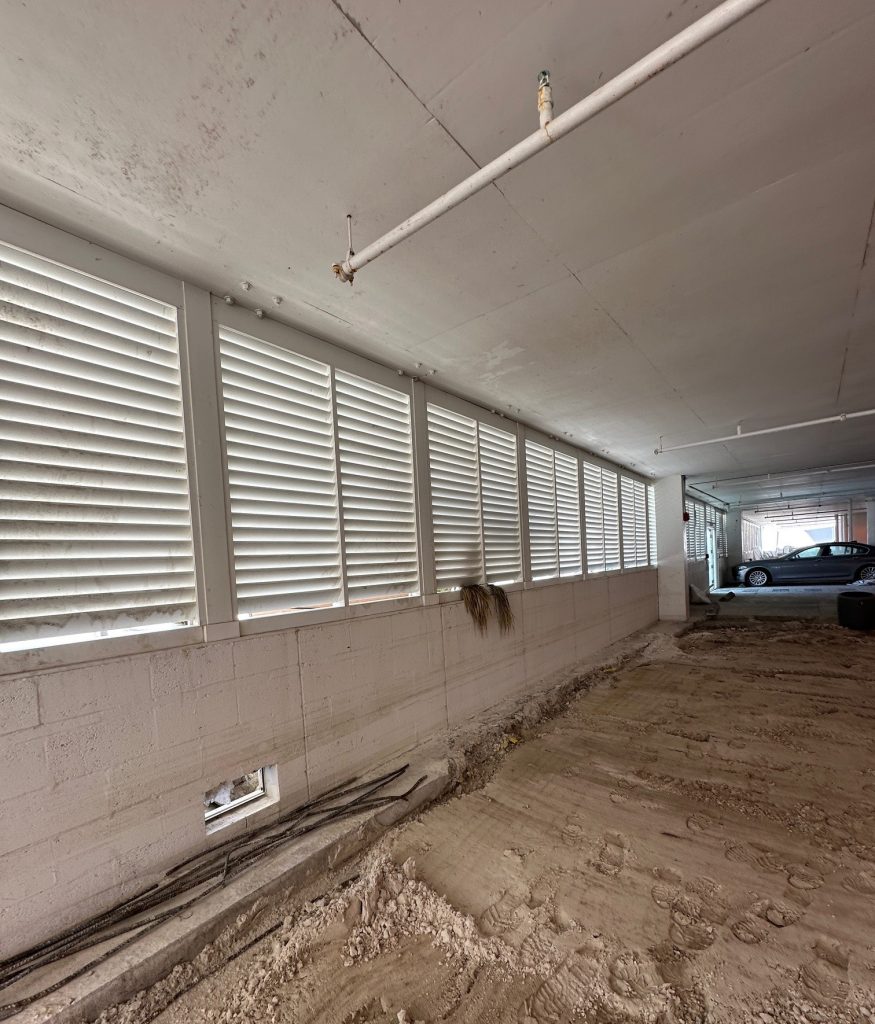
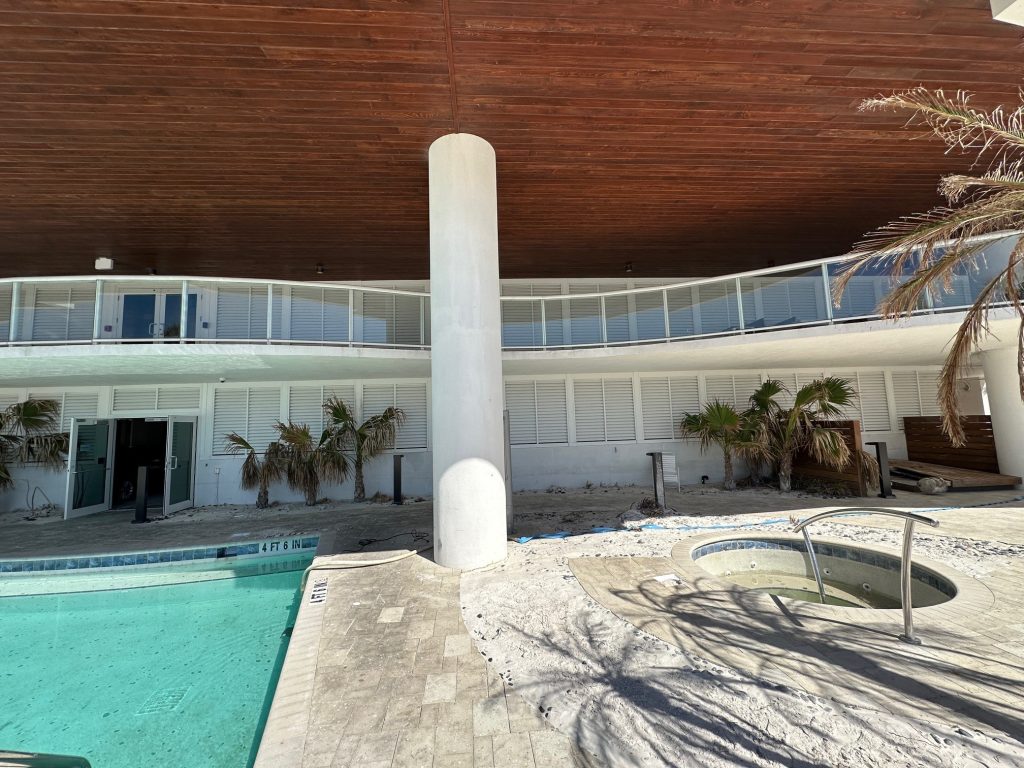
Just two years after completion, these designs were put to the ultimate test when three major storms, including two hurricanes, hit the area within six weeks. To clarify, the louvers and walls performed as designed, enduring powerful winds and intense rain. Only the breakaway wall sections meant to detach did so, relieving pressure from the main building and keeping core structures stable.
It is important to realize that flood mitigation requires precise and innovative structural engineering solutions. At DOP Engineering, we specialize in designing structures that withstand extreme conditions, including flooding. Through advanced techniques and materials, we ensure the safety, quality, and longevity of every project we undertake. By working with us, you can trust that your project will be designed to meet the highest standards of flood resilience.