Written by Ana Rosales

The field of structural analysis is undergoing a transformation, with emerging tools revolutionizing how engineers approach modern design challenges. Advanced software and methodologies like finite element analysis (FEA), computational modeling, and 4D simulation enhance accuracy, reduce design time, and enable the development of complex, efficient structures. This blog explores four key tools reshaping structural analysis, their benefits, potential drawbacks, and real-world applications.
Finite Element Analysis (FEA)
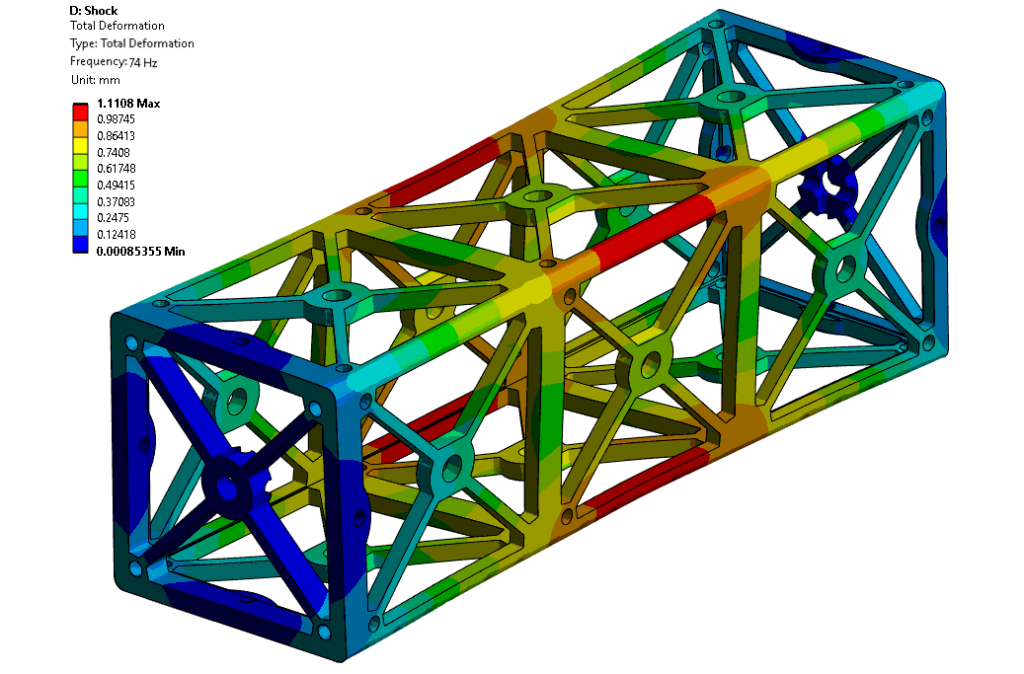
FEA divides a structure into smaller, finite elements to analyze its behavior under various conditions, such as stress, strain, and vibration. Engineers use FEA to evaluate how materials and structural components interact under loads.
Benefits
- Precision: It provides a highly detailed analysis of structural performance, allowing engineers to pinpoint weaknesses or potential failures.
- Versatility: Applicable to various materials and structural types, from steel frameworks to composite materials.
- Predictive Power: Helps anticipate how a structure will perform under different scenarios, reducing design risks.
Challenges
- Resource-Intensive: FEA requires significant computational power and time for complex models.
- User Expertise: Misinterpreted results or errors in input data can lead to flawed conclusions.
Real-World Applications
- Analyzing the load-bearing capacity of structural systems in multi-story residential buildings.
- Designing efficient HVAC supports within commercial facilities.

Computational Modeling
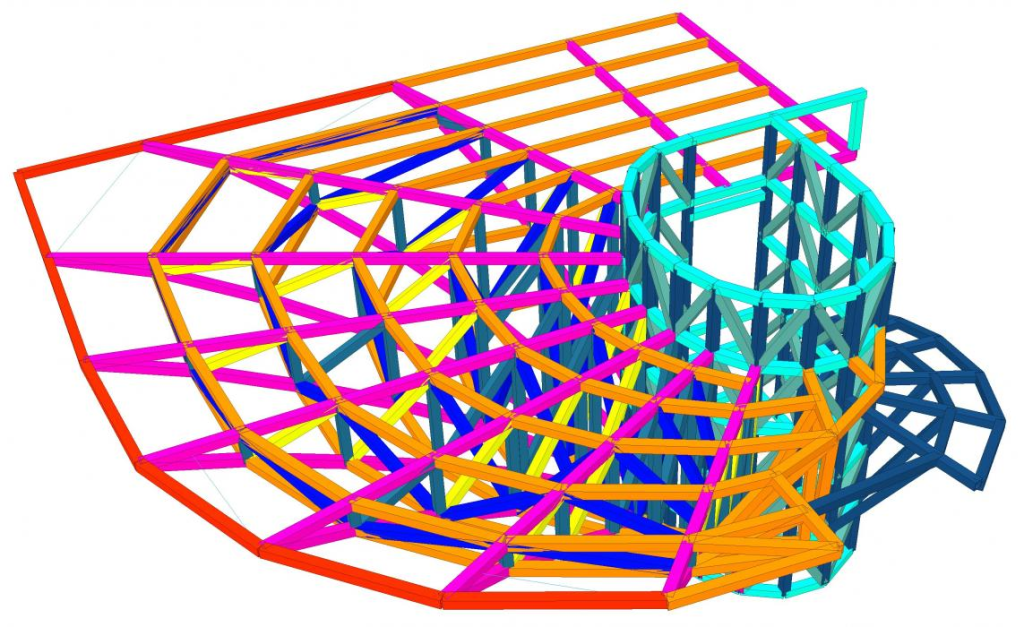
This tool involves creating detailed virtual models of structures to simulate and analyze their real-world behavior. Computational modeling integrates data-driven insights for design optimization.
Benefits
- Visualization: Allows engineers to view and adjust designs virtually, reducing the need for physical prototypes.
- Customization: Facilitates the exploration of multiple design alternatives before finalizing a structure.
- Integration: Models can include multidisciplinary factors like thermal behavior or electrical conduits.
Challenges of this emerging tool in structural analysis
- Data Accuracy: Models are only as good as the data input; inaccuracies can lead to incorrect predictions.
- Software Cost: Advanced modeling software can be expensive, posing a barrier for smaller firms.
Applications of Emerging Tools in Structural Analysis
- Developing detailed models for custom metalwork in modern facades.
- Planning integrated mechanical, electrical, and plumbing systems for large-scale commercial buildings.

Advanced Simulation Techniques
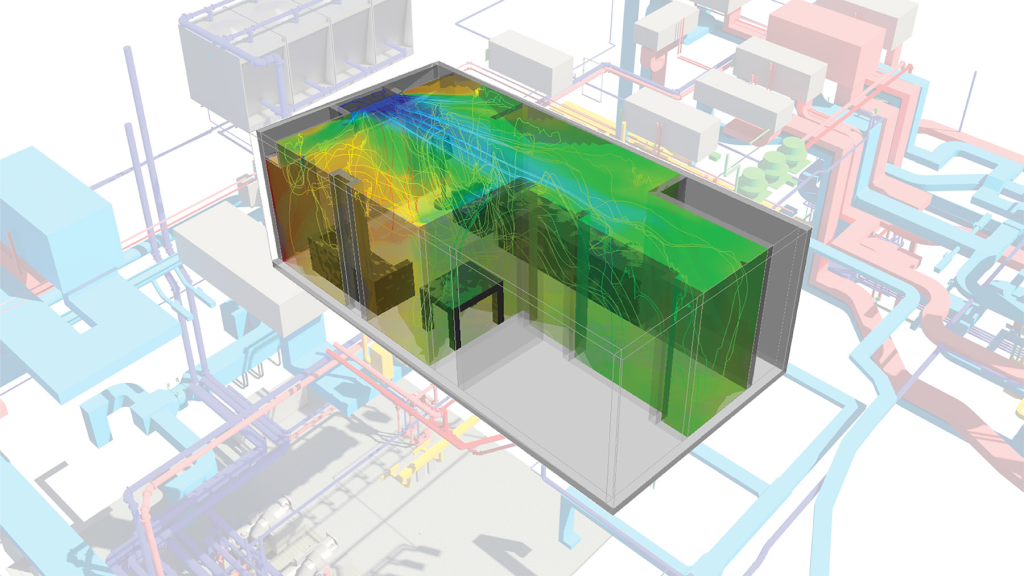
Simulations like Computational Fluid Dynamics (CFD) and dynamic analysis assess how structures perform under specialized conditions, such as wind loads or temperature variations.
Benefits
- Specialized Insights: Provides data for specific challenges, such as airflow management or thermal performance.
- Design Optimization: Enables fine-tuning designs to meet performance requirements without overengineering.
- Cost Savings: Identifies potential issues before construction, avoiding expensive fixes later.

Challenges
- Complexity: Requires high expertise to interpret results correctly.
- Niche Applications: Not every project demands such detailed simulations, making it less cost-effective in some cases.
Real-World Applications
- Evaluating airflow around perforated metal panels to ensure balanced ventilation and shading.
- Testing material behavior under fluctuating temperature conditions in industrial environments.
AI and Machine Learning in Structural Analysis
AI and machine learning are emerging technologies that process large data sets to improve structural analysis. They help automate repetitive tasks and enhance decision-making.
Benefits of this emerging tool in structural analysis
- Automation: AI reduces manual calculations, saving time and effort.
- Real-Time Monitoring: Machine learning can analyze sensor data to monitor structural health continuously.
- Trend Analysis: Predicts maintenance needs or identifies patterns of structural wear.

Challenges
- Data Dependency: Requires vast and reliable data sets for effective operation.
- Initial Investment: High costs for implementation and training.
- Ethical Concerns: Questions arise about accountability in decisions made by AI tools.
Applications of this emerging tool in structural analysis
- Predictive maintenance for parking garages exposed to frequent loads and weather changes.
- Automating design updates based on client revisions for commercial projects.

The evolving tools and techniques in structural analysis are paving the way for safer, more efficient engineering solutions. While each innovation has its benefits and challenges, their strategic application allows engineers to tackle increasingly complex demands in construction. At DOP Engineering, we are committed to delivering forward-thinking solutions tailored to the needs of modern projects, ensuring quality and precision in every design.