
Written by Ana Rosales

Cantilevers are among the most striking and functional design elements in architecture and engineering. They create dramatic overhangs and provide support for structures without the need for external columns or supports at their extended end. From iconic buildings to innovative bridges, cantilevers have become a symbol of engineering creativity.
However, these designs come with unique engineering challenges. Understanding the principles behind cantilever design is essential for ensuring safety, stability, and performance. This blog delves into the technical aspects of cantilevers, exploring how engineers approach structural analysis, load distribution, and other key factors to create reliable and visually stunning structures.
Understanding Cantilever Structures
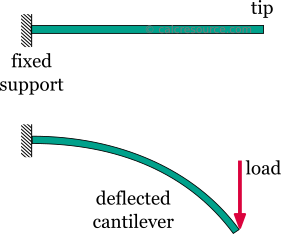
A cantilever is a structural element that extends horizontally from a fixed support, often without any additional external support at its free end. It functions by transferring loads and bending moments to the fixed point, where it is anchored or rigidly connected to a wall, column, or other structural component.

Structural Analysis of Cantilever Design
The key to successful cantilever design is understanding the distribution of forces and moments along the structure. Engineers must ensure that the cantilever can handle the loads and stresses without compromising stability or safety. This requires a comprehensive analysis of various factors, including bending moments, shear forces, and deflection.

Bending Moments
Bending moments occur because cantilevers extend horizontally without support at the far end, creating significant stress at the fixed point. Engineers analyze bending moments to determine the maximum stress and ensure the structure has sufficient strength to avoid failure. Managing bending moments often involves using reinforced materials, increasing beam thickness, or adding bracing for support.

Shear Forces
Shear forces act along the length of the cantilever, particularly at the fixed point. These forces can cause deformation, leading to shear stress and potential failure. Engineers must carefully calculate shear forces to determine where reinforcement is needed. Reinforced concrete, steel beams, or other high-strength materials are commonly used to withstand shear forces and prevent structural failure.

Deflection
Deflection refers to how much a cantilever bends or sags under load. Excessive deflection can cause structural or aesthetic issues, so engineers must ensure it stays within acceptable limits. Factors affecting deflection include the cantilever’s length, type of load, and material elasticity. Engineers often use software tools to predict deflection and design accordingly.
Load Distribution in Cantilever Design
Load distribution is key to cantilever design, as it impacts stability and safety. Engineers must consider various types of loads and their effects on the structure:
Point Loads
Concentrated in one spot, these can create high bending moments and stress. Point loads often occur at the free end of the cantilever.

Distributed Loads
Spread evenly across the length of the cantilever, reducing stress concentration. This type of load is common in larger overhangs or suspended structures.
Engineers must also distinguish between live loads, which are temporary (like people or equipment), and dead loads, which are permanent (like the weight of the structure itself). Proper load distribution involves analyzing the load path and ensuring that stress is managed to avoid deformation or failure.

Safety and Performance Considerations
In cantilever design, safety is crucial, requiring careful attention to several factors to ensure structural reliability and stability. One of these key factors is structural redundancy, which provides extra support in case of unexpected loads or failure. Another essential aspect is compliance with building codes and safety regulations; these standards ensure cantilevered structures are safe for public use and meet industry best practices.
Regular inspections play a vital role in maintaining safety, helping to identify early signs of stress or wear. This allows for timely repairs or reinforcement, preventing small issues from becoming major problems.

Cantilever design can transform architectural landscapes, offering innovative solutions that are both functional and visually striking. However, it requires a deep understanding of structural engineering principles to ensure safety and stability. Engineers must carefully consider factors like bending moments, shear forces, and deflection, while also ensuring proper load distribution and compliance with safety regulations.
At DOP Engineering, we are dedicated to excellence in every aspect of structural design and construction. Our team meticulously plans and executes projects, paying close attention to detail to meet the highest standards of safety, durability, and performance. We believe in providing innovative solutions that deliver top-quality results.
