
Written by Ana Rosales

Building for resilience in Florida is crucial due to the region’s exposure to natural disasters, including hurricanes, floods, wildfires, and occasional earthquakes. The increasing frequency and severity of these events highlight the importance of designing and building structures that can withstand such challenges. In this post, we’ll explore how Florida’s buildings are designed for resilience, the materials and technologies being used, and the lessons learned from past disasters.
Hurricane Resilience: Protecting Against High Winds and Storm Surges
Florida has long faced hurricane dangers. Hurricane Andrew (1992) and Hurricane Irma (2017) caused catastrophic damage, prompting the state to adopt stringent building codes.
- Wind Resistance: Structures must handle wind speeds exceeding 170 mph in some areas. Key design features include reinforced concrete walls, steel framing, hurricane straps to secure roofs, and impact-resistant windows to protect against debris.
- Storm Surge Protection: Coastal areas are especially vulnerable to storm surges, which can flood properties. Elevated buildings, flood barriers, and water-resistant materials are used to reduce the impact of surges.
Florida updated its building code after Hurricane Andrew to ensure structures resist extreme weather. These changes emphasize the importance of enduring intense winds and flooding.

Flood Mitigation: Design Strategies for Coastal and Low-Lying Areas
Flooding remains a significant concern in cities like Miami, Jacksonville, and Tampa, where heavy rainfall and rising sea levels increase risks.
- Elevated Foundations: In flood-prone areas, elevated foundations keep living and working spaces above expected flood levels. Miami Beach has widely adopted this technique.
- Water-Resistant Materials: Builders increasingly use concrete, steel, and specific plastics, which endure water exposure without deteriorating.

Earthquake Preparedness in Florida: Minor Yet Important
Although Florida rarely experiences earthquakes, the 2011 Mineral, Virginia earthquake, felt as far south as Miami, underscored the need for preparedness.
- Seismic Reinforcement: Engineers retrofit foundations, reinforce walls, and strengthen concrete-steel bonds to ensure buildings can handle seismic activity.
- Seismic Design Codes: Florida’s codes, though less stringent than in earthquake-prone regions, include safety provisions for older, unreinforced buildings.

Wildfire Protection: Mitigating Risks in Florida’s Urban-Interface Areas
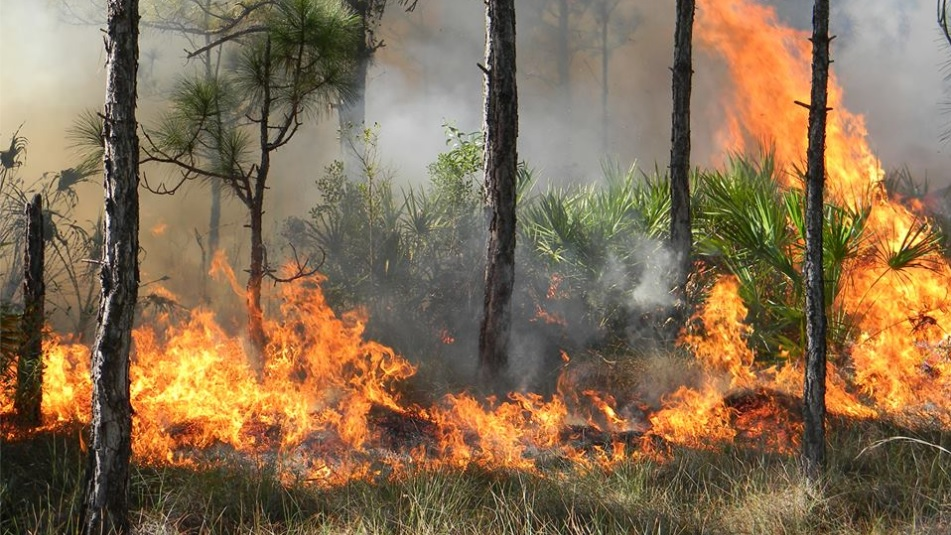
Wildfires increasingly affect central and northern Florida. The urban-wildland interface exposes homes and businesses to fire risks, especially in dry conditions.
- Fire-Resistant Materials: Buildings in wildfire-prone areas use fire-resistant roofing materials, non-combustible siding, and fire-retardant treatments for landscaping and vegetation control. This helps to reduce the risk of ignition from nearby fires.
- Defensible Spaces: Landscaping strategies like maintaining a defensible space around buildings help protect properties from wildfires by preventing the spread of flames from surrounding vegetation.
Innovative Materials and Technologies for Resilient Design
New materials and technologies are enhancing resilience against Florida’s natural disasters:
- Self-Healing Concrete: This innovative material helps repair small cracks, preventing water damage and structural failure.
- Smart Sensors: These sensors monitor structural health in real time. They can detect damage from wind, flooding, or seismic activity, providing early warnings for maintenance.
- Cross-Laminated Timber (CLT): This sustainable material is strong, lightweight, and fire-resistant, making it ideal for certain building types in Florida.

Case Studies of Building for Resilience in Florida
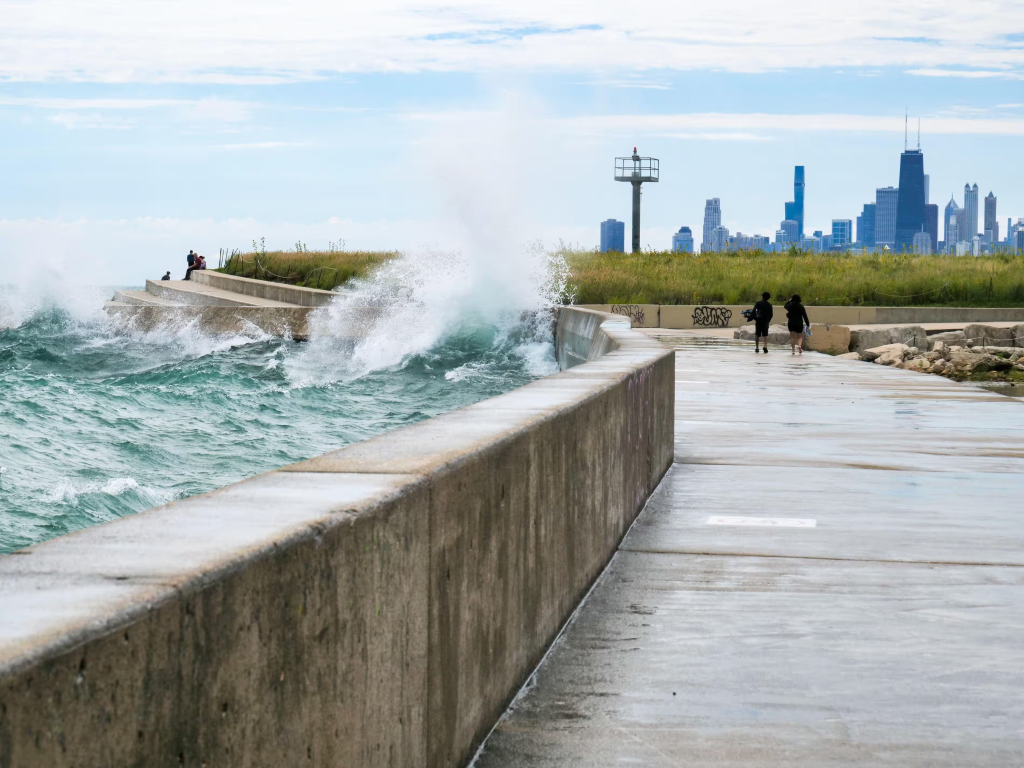
- Miami’s Seawalls and Elevated Structures: Elevated buildings and seawalls protect Miami from rising sea levels and storm surges. These designs ensure long-term resilience.
- Rebuilding After Hurricane Andrew: After the devastation of Hurricane Andrew, Florida’s building codes were restructured to increase resilience. The lessons learned from the storm led to improved designs that have protected the state in subsequent hurricanes.
In Florida, preparing for natural disasters isn’t just a regulatory requirement—it’s a matter of life and safety. With hurricanes, floods, wildfires, and occasional seismic activity on the rise, designing buildings for resilience has never been more important. By incorporating advanced materials, technologies, and adhering to rigorous building codes, Florida’s communities can build a more resilient future.
At DOP Engineering, we understand the critical need for resilient structures. We are committed to helping design and implement solutions that meet Florida’s challenges, ensuring the safety of residents and the long-term stability of the built environment. Our work focuses on providing custom structural solutions that prioritize durability, flood mitigation, and protection against high winds and other natural threats.
We must continue to learn from past events, and adapt our designs to the changing climate. With thoughtful planning and proactive measures, Florida’s buildings will be better prepared to withstand the forces of nature.
Have you experienced the impact of natural disasters in Florida? Share your thoughts and experiences in the comments, and let’s discuss how we at DOP Engineering can continue to contribute to Building for Resilience in Florida.
