Written by Ana Rosales

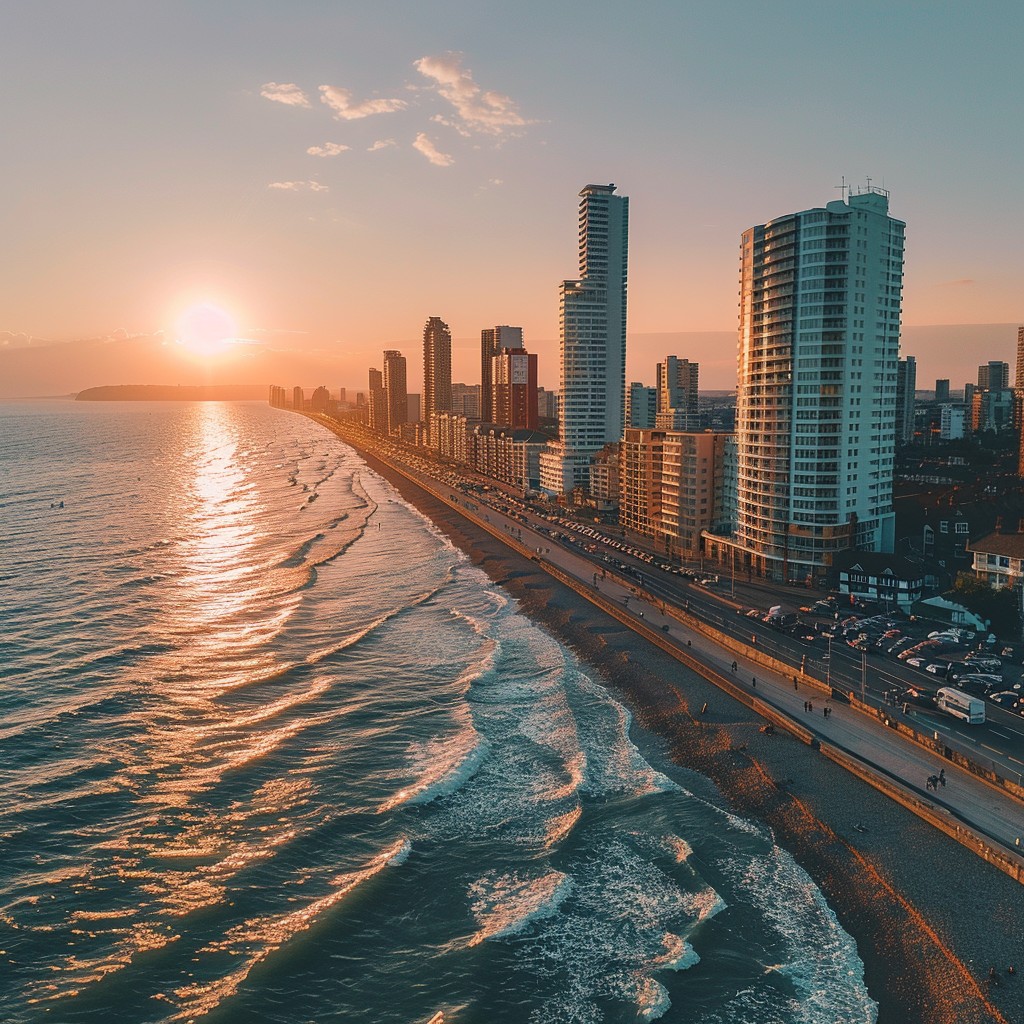
Coastal areas are among the most challenging environments for structural engineers. The combination of high wind speeds, flooding, saltwater exposure, and soil erosion makes these regions particularly vulnerable to structural failures. Building codes in coastal areas are more that just guidelines, they are lifelines that safeguard human lives, protect property, and ensure sustainable development.
Understanding the Risks in Coastal Zones
Coastal structures face unique hazards that demand a targeted engineering approach. Key risks include:
- Hurricane-Force Winds: Structures must withstand wind speeds that can exceed 150 mph. Improperly designed structures risk catastrophic failures, such as roof uplift or wall collapse.
- Storm Surge and Flooding: Rising waters can compromise foundations, damage non-waterproofed materials, and displace structures.
- Saltwater Corrosion: Prolonged exposure to saline environments accelerates the degradation of concrete and steel reinforcements.
- Soil Instability: Coastal soils, often sandy or eroded, require proper geotechnical intervention to support heavy structures.

How Building Codes Address Coastal Challenges
Wind-Resistant Design
- Detailed Wind Load Calculations: Coastal codes, such as those in ASCE 7, require precise assessments of wind pressures based on building characteristics. This ensures structural elements are designed to withstand localized conditions.
- Connection Reinforcement: Building codes emphasize continuous load paths to prevent structural failure by reinforcing connections between roofs, walls, and foundations.
- Advanced Materials: Specifications recommend impact-resistant glass, reinforced doors, and hurricane-rated shutters to protect building envelopes.

Flood-Proofing Measures
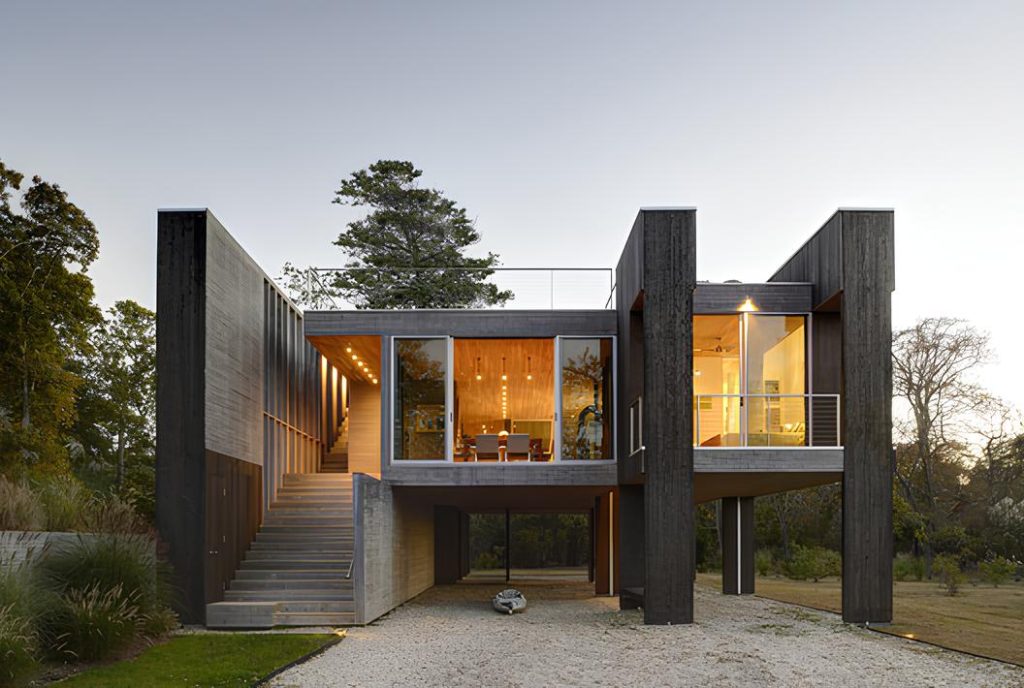
- Elevation Requirements: Codes mandate minimum elevation levels for structures based on FEMA flood zone maps, often requiring buildings to be several feet above the base flood elevation (BFE) to account for storm surges.
- Wet Floodproofing: Codes prescribe designs that allow water to flow through non-critical areas, such as parking garages, while limiting structural damage.
- Dry Floodproofing: Critical facilities, like hospitals, must incorporate waterproofing systems such as sealed walls and watertight doors to keep interiors dry during floods.
Corrosion Protection
- Material Durability: Concrete mixes must include supplementary materials, such as fly ash or slag, to reduce permeability and resist chloride ingress.
- Protective Coatings: Exposed metal components must be treated with epoxy or galvanized coatings to extend their lifespan.
- Sacrificial Design: Codes permit sacrificial layers on exposed surfaces to protect core structural elements.
Foundation Design Standards
- Piling Systems: Coastal codes require deep pile foundations to anchor buildings in loose or erodible soils. These piles must resist vertical and lateral loads, including wave action.
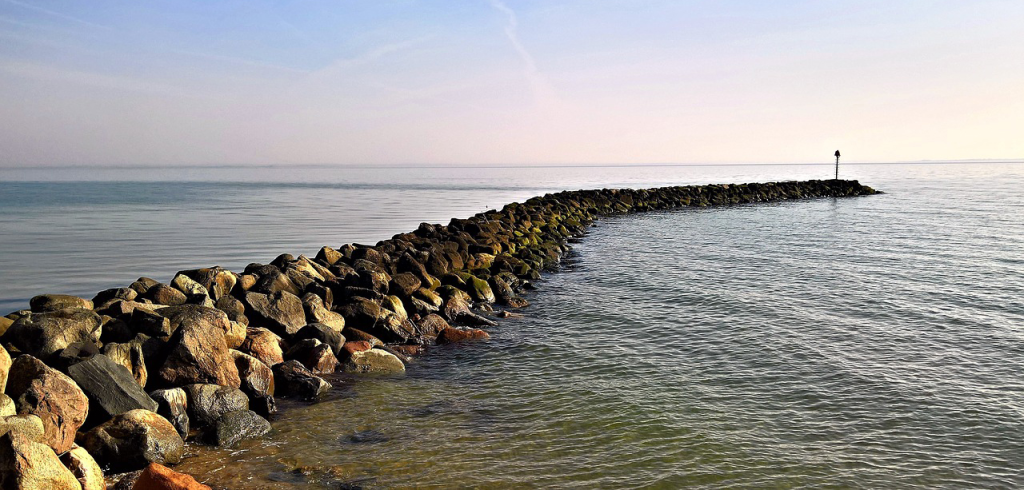
- Erosion Control Measures: Codes recommend retaining walls, riprap, or vegetation to stabilize unstable shorelines.
- Geotechnical Investigations: Thorough soil testing assesses bearing capacity and liquefaction risk to inform foundation designs.

Wave and Surge Impact Mitigation
- Structural Elevations and Barriers: Codes incorporate strategies to elevate critical infrastructure, such as electrical systems and emergency generators, above surge levels. In some cases, wave barriers or breakwaters are also recommended.
- Hydrodynamic Load Analysis: Coastal structures must account for the forces generated by moving water. This includes designing walls and foundations to withstand the impact of wave forces without cracking or displacing.
Challenges in Implementing Coastal Building Codes
Implementing building codes in coastal areas presents a unique set of challenges, even with their necessity for safety and resilience. One significant issue is the cost associated with meeting stringent requirements, which can strain project budgets and deter property owners from compliance. Advanced materials, specialized labor, and additional engineering analyses often increase construction expenses, leaving many developers to question the return on investment.
Enforcement is another hurdle, as ensuring compliance requires robust inspection protocols and adequate staffing. In some regions, limited resources or inconsistent application of regulations can leave gaps in safety standards.
Additionally, balancing environmental preservation with construction needs can be complex. Engineers and builders must account for ecological impacts, such as disturbing coastal habitats, while adhering to regulations designed to protect natural resources. These overlapping considerations often lead to delays and added complexities, requiring careful navigation to achieve a balance between safety, sustainability, and feasibility.
The Engineer’s Role in Coastal Construction
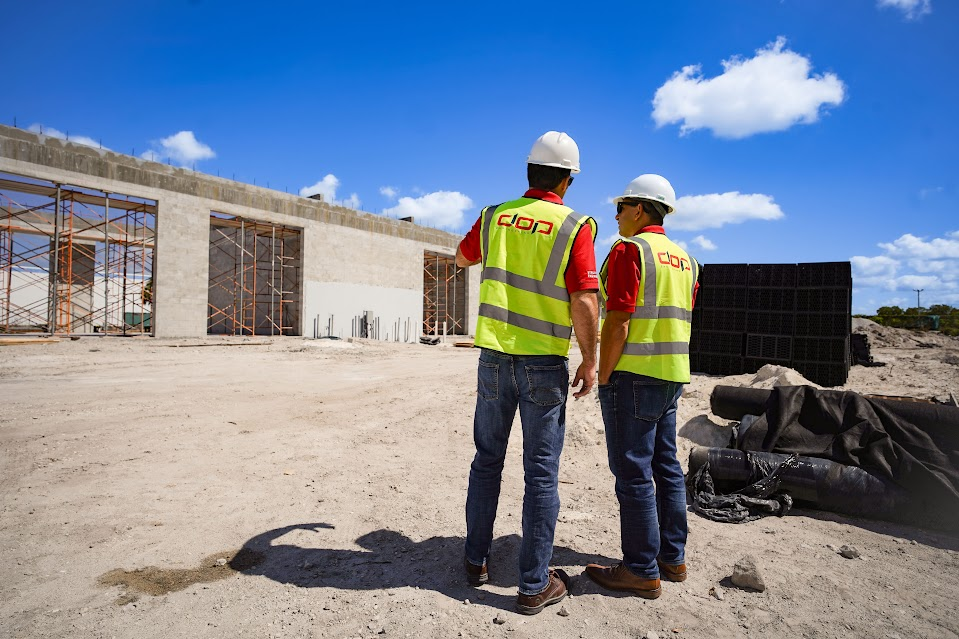
Structural engineers play a pivotal role in shaping resilient coastal communities. From the earliest planning stages, engineers analyze site-specific challenges like wind loads, flood risks, and soil conditions to design structures that can endure harsh coastal environments. They collaborate with architects and contractors to integrate safety measures without compromising functionality or aesthetics.
During construction, they ensure materials and techniques comply with approved plans and codes. Beyond construction, engineers advocate for sustainable practices, recommending eco-friendly solutions to minimize environmental impacts while maintaining safety. By staying informed about evolving regulations and leveraging new technologies, they help ensure coastal structures are built to last.
At DOP Engineering, we understand the complexities of coastal construction and the critical role building codes play in ensuring safety and resilience. Our team of skilled structural engineers specializes in designing innovative, code-compliant solutions tailored to meet the unique challenges of coastal environments. Whether it’s navigating stringent regulations, optimizing designs for hurricane resistance, or balancing sustainability with practicality, we’re here to help you bring your vision to life. Contact us to learn how we can support your next coastal project with precision, expertise, and a commitment to excellence.