Written by Ana Rosales

Concrete masonry units (CMU) are an integral part of many structural designs, offering strength, durability, and fire resistance. However, thorough inspections are essential to guarantee that the benefits of proper construction are fully achieved. This blog explores the critical role of special inspections in CMU construction, focusing on compliance with TMS 402/602 – 16 standards, the key areas requiring inspection, and how these processes guarantee structural integrity.
The Importance of CMU Special Inspections
CMU construction involves specific design, and material standards, these special inspections ensure that every step follows these rules. The primary objective is to confirm that the construction materials and techniques adhere to the project’s design specifications, which ultimately secures the building’s safety, performance, and durability. Without thorough inspections, defects can compromise the structure’s load-bearing capacity, lifespan, and even safety.
Special inspections focus on identifying issues early, allowing corrections before costly mistakes occur. This is especially crucial for large-scale projects or buildings in areas with seismic activity or high wind loads, where failure could lead to catastrophic results.
Key Inspection Requirements
The TMS 402/602 – 16 code provides the foundation for the design and construction of masonry structures, including CMU (concrete masonry unit) projects. Compliance with these standards is crucial for ensuring structural integrity, durability, and safety in construction.
Material Quality
The code specifies that CMU blocks, mortar, and grout must meet the required compressive strength. Inspections involve testing samples to ensure that all materials conform to the project’s strength requirements. The consistency and quality of mortar and grout mixes must also align with approved specifications to prevent failures during construction.
Reinforcement Placement
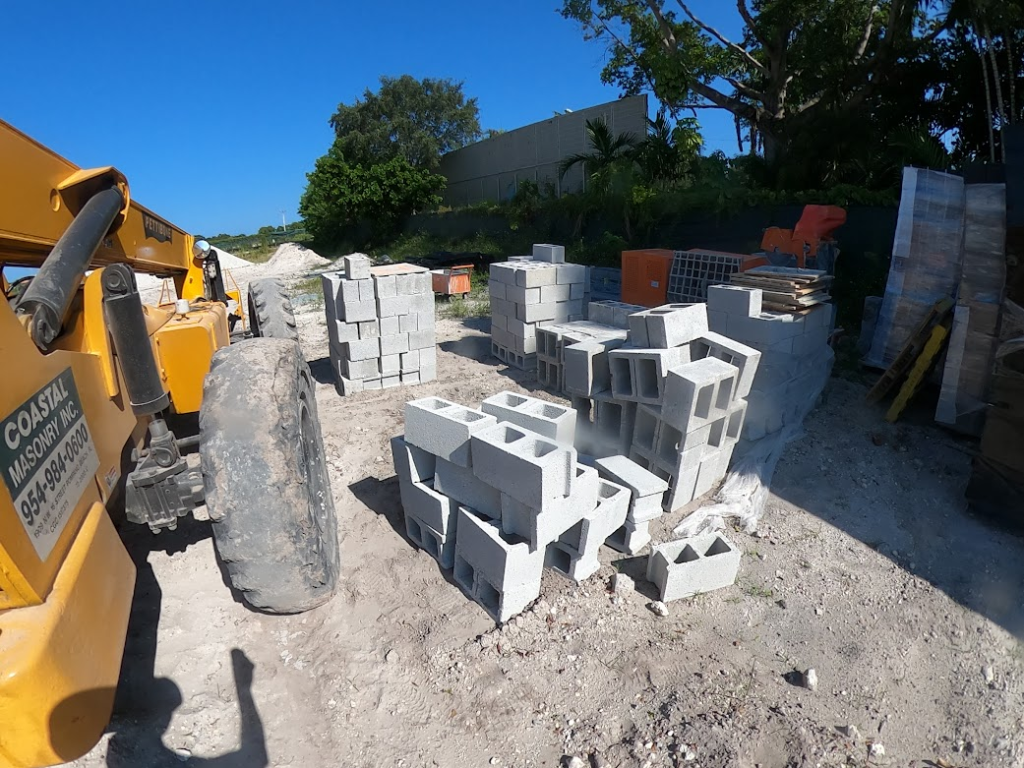
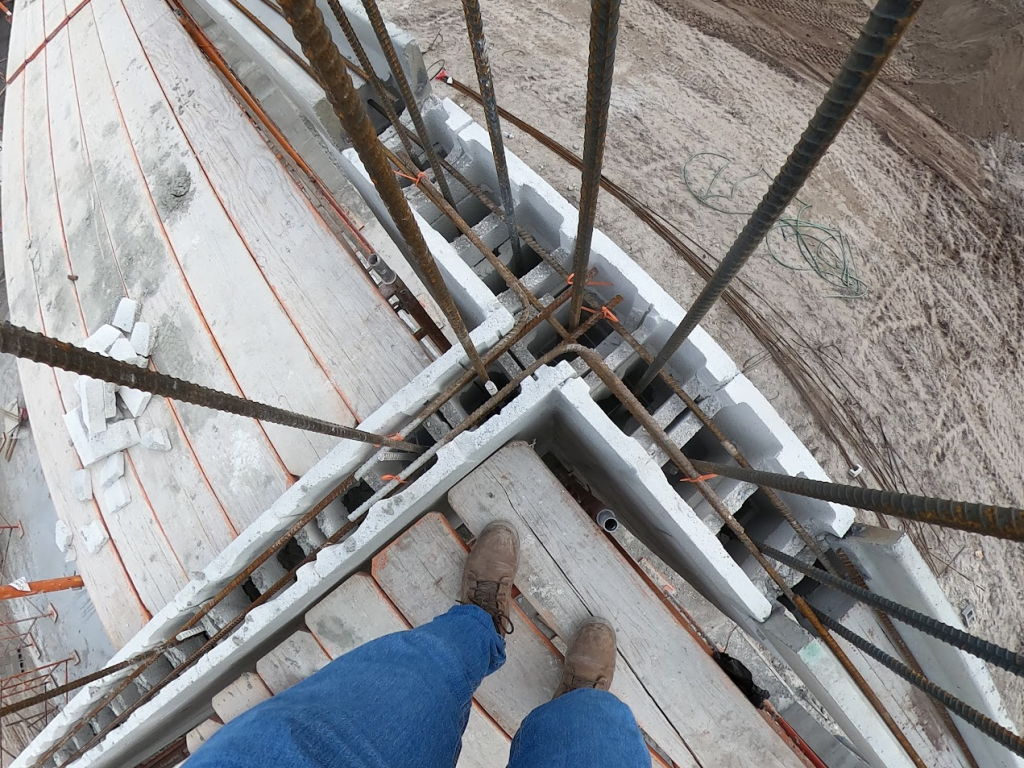
Proper placement of reinforcement bars is a critical component of CMU construction, particularly for load-bearing walls and structures exposed to lateral forces like wind or earthquakes. TMS 402/602 – 16 emphasizes the need for accurately spaced and secured rebar, which inspectors must verify to ensure compliance. Correct placement enhances the structure’s ability to bear loads and prevents issues like cracking and buckling.
Grouting and Bonding
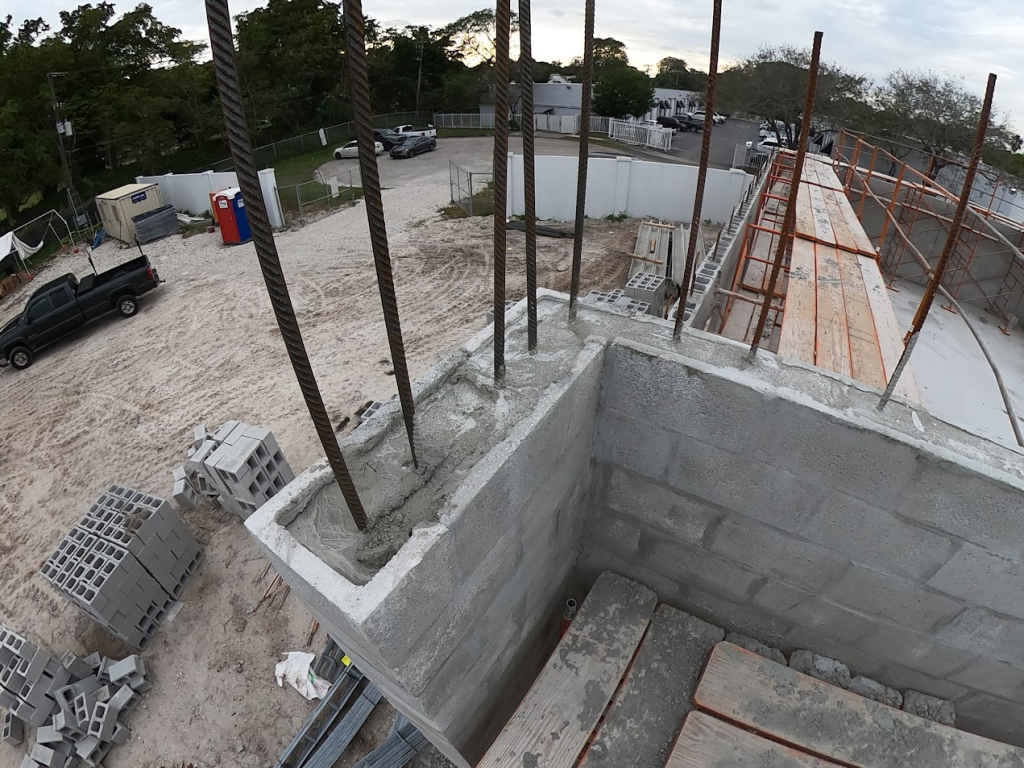
Adequate grouting is essential for filling cavities within the masonry, especially when reinforced walls are involved. The inspection process ensures that grout is correctly placed and compacted to prevent voids, which could weaken the structure. Additionally, bond beams must be inspected to ensure that they are properly constructed to distribute loads effectively across the building.
Anchorage and Connections
The code outlines strict guidelines for anchoring CMU walls to adjacent structural elements such as floors, roofs, or intersecting walls. Special inspections focus on these connections to prevent differential movement and ensure that the structure functions as a cohesive unit. Proper anchorage is vital in areas prone to seismic or high wind activity.
Testing and On-Site Inspections
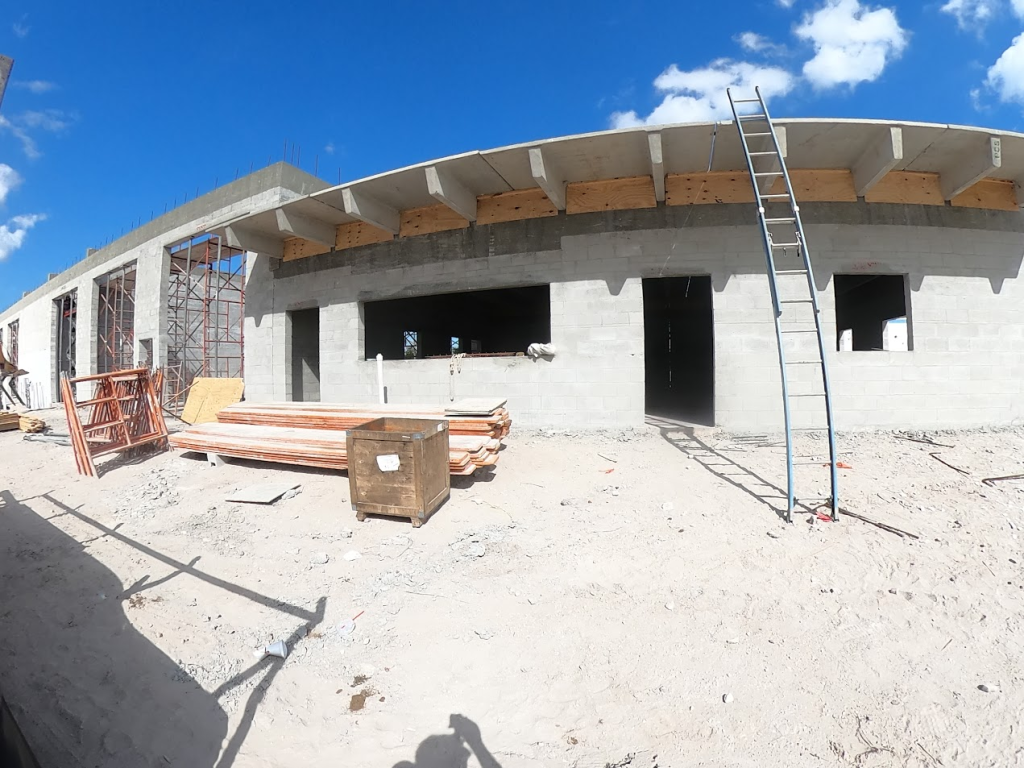
Compliance with TMS 402/602 – 16 includes comprehensive testing throughout the construction process. This involves compressive strength tests on CMU blocks, mortar, and grout, along with on-site inspections during installation to ensure everything follows design specifications. Inspectors are responsible for identifying any deviations from the code and ensuring corrections are made promptly.
By following these inspection requirements, builders can guarantee that their CMU projects meet the necessary safety and performance benchmarks. This not only protects the integrity of the structure but also minimizes costly repairs or delays caused by non-compliance.

Inspection Procedures
Compressive Strength Tests
Conducted on CMU samples, mortar, and grout, these tests ensure the materials meet the strength requirements specified in the design.
Field Inspections
Inspectors are often present on-site to monitor the installation of CMU blocks, placement of reinforcement, and pouring of grout. This on-the-ground approach helps catch errors before they become permanent issues.

Reinforcement Checks
Proper placement and securing of rebar is essential, and visual inspection ensures that it adheres to design specifications.
In-Place Testing
This involves verifying the integrity of the final structure, ensuring that all walls, joints, and beams meet design and safety standards.
Project Spotlight: Hollywood Warehouse
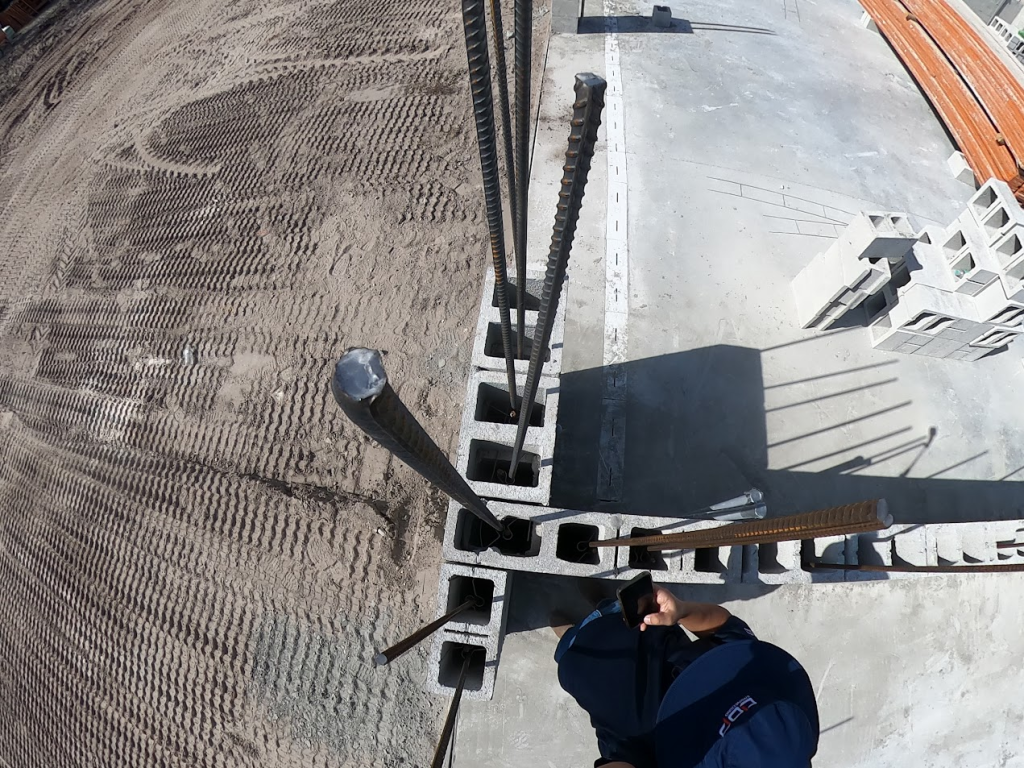
DOP Engineering recently conducted a comprehensive inspection for the Hollywood Warehouse Project, where our team followed the TMS 402/602 – 16 standards for CMU construction. Our engineers ensured proper material quality, reinforcement placement, and adequate grouting. These inspections played an important role in ensuring that the structure met both safety and design specifications. Click here to learn more.

CMU special inspections are more than a regulatory requirement—they are a safeguard that ensures quality and compliance in masonry construction. By following the established guidelines, construction teams can ensure that the final structure is not only code-compliant but also safe, durable, and built to withstand environmental stresses.
At DOP Engineering, we prioritize compliance with TMS 402/602 – 16, and our expertise in special inspections guarantees that projects are completed to the highest standards.
Interested in learning more about how our inspection services can help your project? Contact us today!