
Written by Ana Rosales
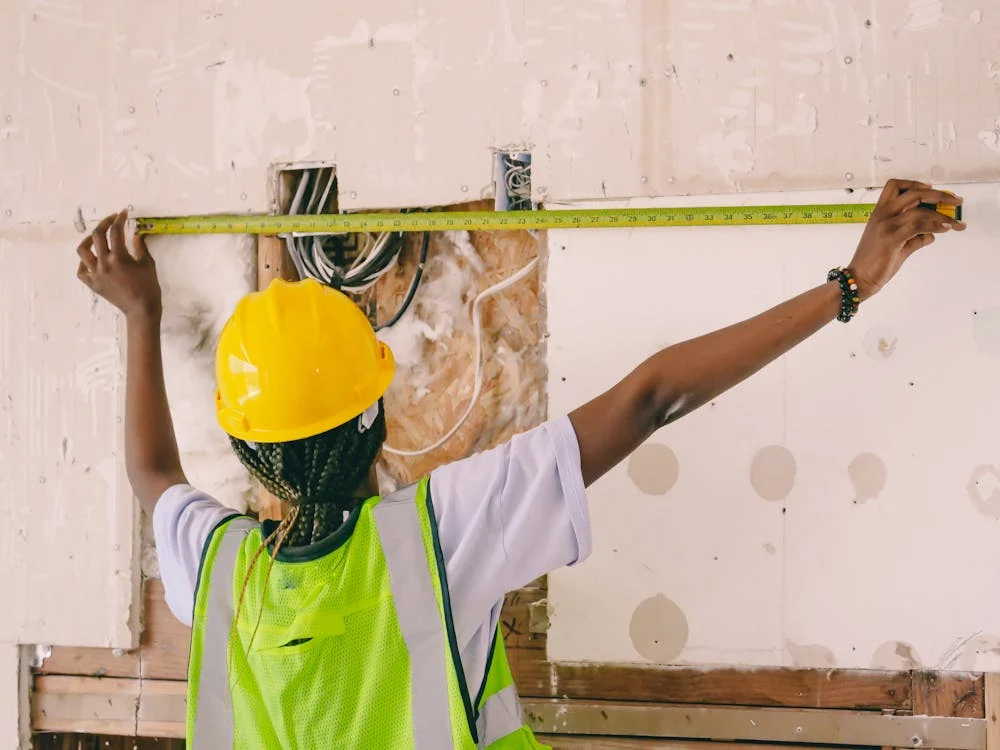
Structural inspections are a critical part of maintaining building safety and integrity. However, even experienced professionals can sometimes make errors that affect the accuracy of these assessments. Recognizing common mistakes and knowing how to avoid them can significantly enhance the quality and reliability of inspection results. This article outlines key pitfalls in structural inspections and provides practical strategies to ensure thorough and accurate evaluations.
Inadequate Preparation
One of the most common mistakes in structural inspections is inadequate preparation before visiting the site. Inspectors must thoroughly review all relevant construction documents, including blueprints, structural plans, and previous inspection reports. Without a solid understanding of the building’s design and history, inspectors may overlook critical aspects or misinterpret structural components.
Proper preparation involves gathering all necessary documents, understanding the scope of the inspection, and identifying specific areas of concern ahead of time. This groundwork ensures a more focused and efficient inspection process.

Overlooking Subtle Signs of Damage
Not all structural issues present themselves in obvious ways. Small cracks, minor water stains, or slight misalignments can be early indicators of more significant problems. Ignoring these subtle signs can lead to severe consequences if underlying issues remain unaddressed.
Inspectors should maintain a keen eye for detail and investigate even minor anomalies. Using tools like moisture meters, crack gauges, and laser levels can help detect hidden or developing issues.

Relying Solely on Visual Inspections
While visual assessments are a vital part of structural inspections, they should not be the only method used. Many structural issues, such as internal corrosion or subsurface foundation problems, are not visible to the naked eye.
Complement visual inspections with advanced techniques like non-destructive testing (NDT), ground-penetrating radar (GPR), or ultrasonic testing to uncover hidden issues.

Ignoring Environmental and Site Conditions
Structural performance can be heavily influenced by the surrounding environment and site conditions. Factors like soil stability, drainage patterns, and local climate play a critical role in assessing structural integrity.
Consider environmental factors during inspections. Evaluate soil conditions, check for signs of water pooling, and assess how the surrounding landscape may impact the structure over time.

Inconsistent Documentation
Failing to accurately document inspection findings can lead to miscommunication, overlooked issues, and challenges in follow-up evaluations. Clear and consistent documentation is crucial for creating a reliable record of the inspection process.
Use standardized inspection checklists and take detailed notes. Photographs, videos, and measurement data should be organized and stored systematically to ensure transparency and consistency.

Avoiding common mistakes in structural inspections is essential to maintaining safety, compliance, and long-term performance. At DOP Engineering, we take a proactive approach to quality assurance through every phase of the inspection process. Our team combines thorough preparation, advanced inspection techniques, and meticulous documentation to provide exceptional service and dependable results.
We understand that each project presents unique challenges, and our tailored strategies ensure comprehensive inspections that address every critical detail. From identifying early warning signs to verifying compliance with regulations, we prioritize excellence, safety, and efficiency. When you choose DOP Engineering, you choose a partner dedicated to maintaining the highest standards of structural integrity and project success.
